Apple Watch Ultra 4 Review 2026: 50-Hour Battery, ¥4,799 Deal Price — What 99% Positive JD Buyers Actually Say
The Apple Watch Ultra 4 is the 49mm Grade-5 titanium outdoor flagship on JD self-operated, where a 27 October deal cut the 49mm black titanium Ocean Band cellular model to ¥4,799 from a ¥6,499 launch price and the listing shows a 99% positive rate. Battery is the real upgrade at 50 hours of normal use and up to 84 hours in Low Power Mode, with 3,000 nits, dual-band GPS and a 40m dive rating carried over unchanged. Verdict: the best Ultra yet for multi-day outdoor use — but buy it for endurance, not for a new sensor story.
Apple Watch Ultra 4 Review 2026: 50-Hour Battery, ¥4,799 Deal Price — What 99% Positive JD Buyers Actually Say
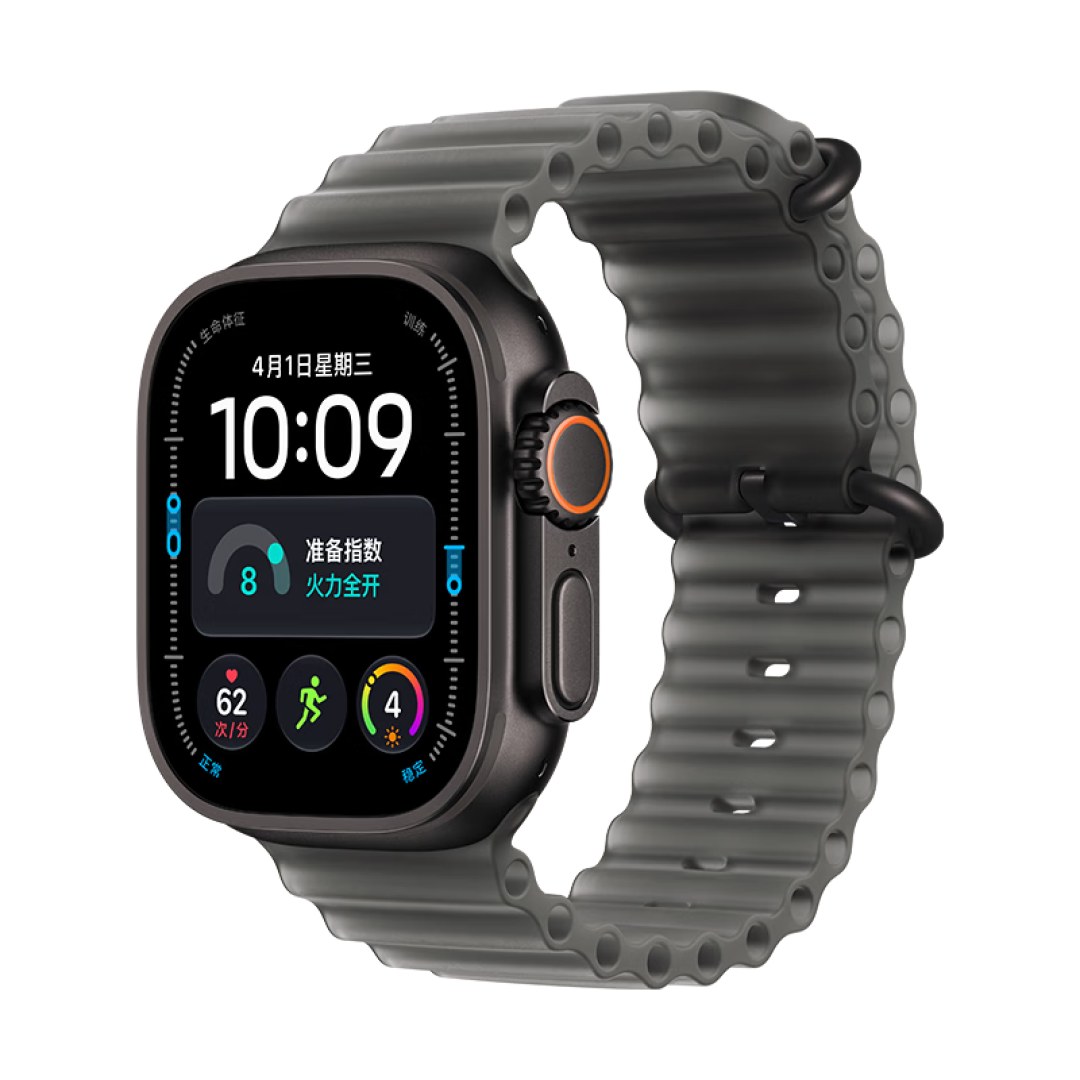
The Apple Watch Ultra 4 is the 49mm Grade-5 titanium outdoor flagship, sold on JD.com self-operated, where the 99% positive rate comes from a deal snapshot dated 27 October 2026: the black titanium 49mm case with an Ocean Band in the GPS + Cellular eSIM version dropped to ¥4,799 after coupon, 9% below the previous listing and ¥1,700 under the ¥6,499 launch price. The hardware story is narrow and deliberate — an S11 chip shared with the Series 12, the same 3,000-nit always-on display, the same 100m water resistance and 40m recreational dive rating, the same dual-frequency GPS — with one number doing all the heavy lifting: 50 hours of normal use, or up to 84 hours in Low Power Mode, against 42 and 72 hours on the Ultra 3. Verdict up front: at ¥4,799 this is the most sensible Ultra Apple has sold, and the only people who should hesitate are those who will never spend a night away from a charger.
— the 49mm Grade-5 titanium case is unchanged in shape; the 2026 story is inside it, where the S11 chip and a 50-hour battery meet a ¥4,799 deal price.
Specifications
| Specification | Detail |
|---|---|
| Model | Apple Watch Ultra 4, 49mm, titanium, eSIM/cellular |
| Chip | Apple S11 (same silicon generation as the Series 12) |
| Case | Grade-5 titanium, 49mm, single size |
| Display | 3,000 nits peak brightness, always-on |
| Water resistance | 100m water resistance, 40m recreational dive rating |
| GPS | Dual-frequency GPS |
| Safety features | Emergency siren, crash detection, fall detection |
| Battery | 50 hours normal use, up to 84 hours in Low Power Mode |
| Launch price | ¥6,499 |
| Deal price (27 Oct 2026) | ¥4,799 after coupon, JD self-operated |
| JD positive rate | 99% |
| Deal ranking | Top 5 in smart devices heat on the SMZDM JD deal board |
What actually changed. Anyone who has used an Ultra 3 will recognise almost every line of that table, and that is the point worth being blunt about. Nothing in the spec sheet adds a new sensor, a new case shape or a thinner body. The chip moves to S11, the same generation used in the Series 12, and the battery moves from 42 hours to 50 — with the Low Power Mode ceiling rising from 72 hours to 84. Everything else is a carry-over: the 3,000-nit panel, the titanium shell, the 100m rating with a 40m recreational dive limit, the dual-band GPS that holds accuracy in complex terrain where single-band positioning is limited, and the emergency siren.
That makes the Ultra 4 an unusually easy watch to score and an unusually awkward one to market. The upgrades are real and they are exactly the upgrades the target buyer asked for — people who run 50km trail races, hike for three days, or camp where there is no outlet. They are also invisible in a spec-by-spec comparison against last year’s model, which is why the Chinese review community has converged on one framing: this generation is a battery release, and you should decide accordingly.
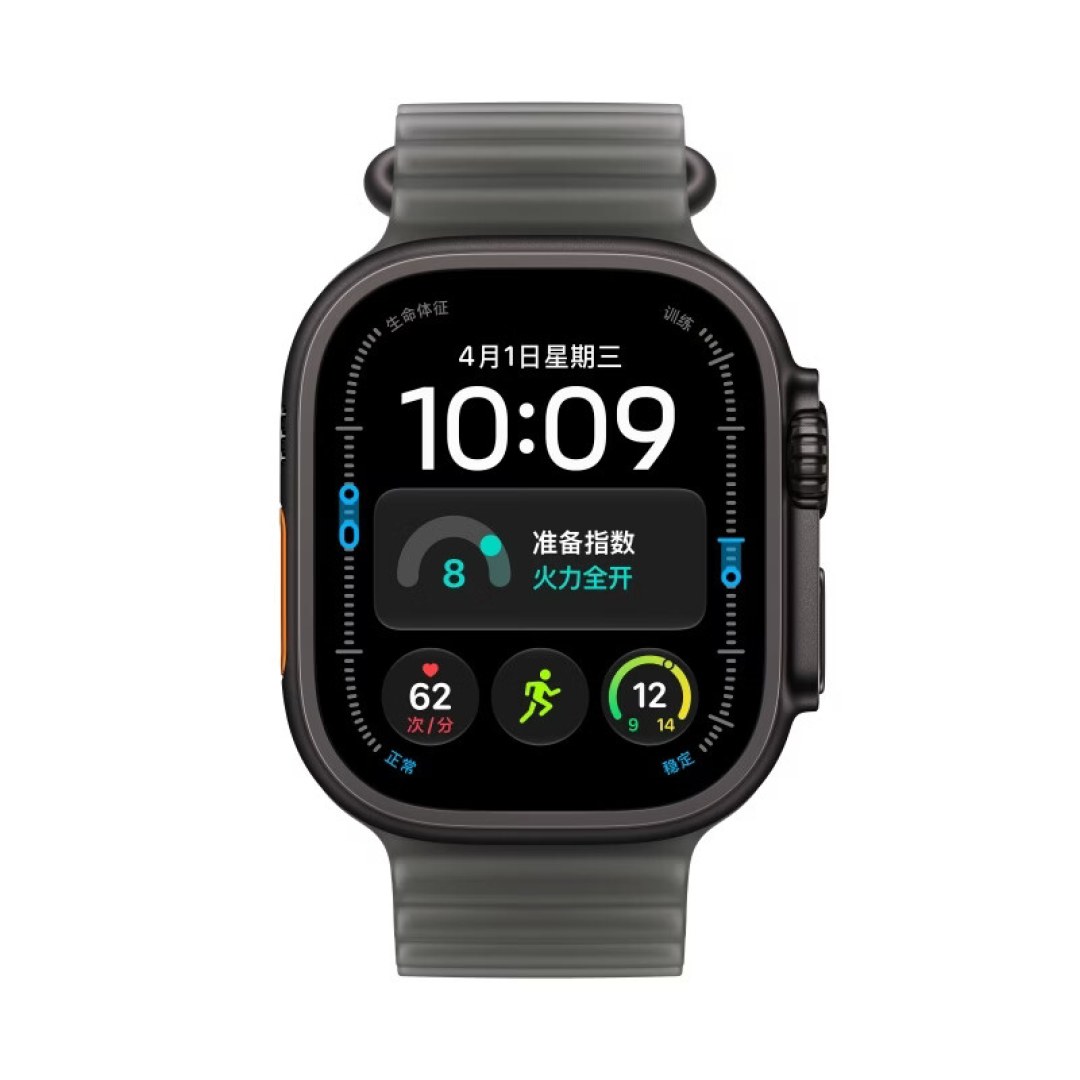 — 3,000 nits is not a marketing number: it is the difference between reading your pace in direct midday sun and squinting at a grey rectangle.
What Chinese Buyers and Owners Say
The honest starting point is volume. SMZDM hosts exactly two long-form product verdicts for this listing — one from @小杨聊汽车, one from @小杨聊手机 — and both are structured buying guides rather than hands-on diaries; neither author marks the watch as owned. JD’s deal page shows a 99% positive rate but does not publish a review count on the snapshot, so treat 99% as a platform aggregate of verified purchases rather than as a sample size you can weigh against a hundred written reviews. Two careful write-ups plus a 99% aggregate is a thinner evidence base than a phone launch generates, and this review reflects that.
What those two verdicts do well is the thing Chinese watch coverage usually does badly: they separate the specification from the lived consequence. Both writers land on the same three tensions — endurance versus bulk, official numbers versus real numbers, and the new model versus the discount on the old one.
Battery and endurance
Both reviewers treat runtime as the headline, and neither dresses it up as more than it is.
“Apple Watch Ultra 4 — the long-range outdoor flagship starts at ¥6,499, upgrades to the S11 chip, and keeps dual-band GPS, the siren and 40m recreational dive capability. Normal-use battery rises to 50 hours, up to 84 hours in Low Power Mode, so on long trips away from a charger you are not constantly hunting for an outlet. It suits long-distance trail running and multi-day hiking — people who spend hours outdoors without convenient charging and care about endurance and outdoor safety features.” — SMZDM user @小杨聊汽车 (product review)
The framing here is worth borrowing: 50 hours is not a fitness feature, it is an itinerary feature. It is the difference between a two-night hike and a two-night hike with a power bank in the pack.
“Battery figures are official maximum reference times; actual runtime is affected by screen brightness, GPS and always-on health monitoring. The water rating is a protection standard only and cannot be equated with professional dive capability.” — SMZDM user @小杨聊汽车 (product review)
This is the caveat every Ultra review should carry and most skip. Fifty hours assumes a particular mix of use; leave GPS running on a long route with the display at full brightness and you will land well under it, and the 40m figure is a recreational dive rating, not a licence to follow a dive computer.
Size and everyday wear
The 49mm single-size case is the most consistent complaint in the Chinese coverage, and it is a complaint about physics rather than preference.
“The Ultra line is 49mm across the board. It is on the large side and feels noticeably thick and heavy on the wrist — try one on in person before you buy.” — SMZDM user @小杨聊汽车 (product review)
Take that literally. The Ultra is the one Apple Watch where the try-before-you-buy advice is not boilerplate; on a slender wrist the case overhangs, and the titanium plus a rugged band is a genuinely noticeable mass by evening.
“The Ultra 3 and Ultra 4 are positioned as professional outdoor models: titanium bodies that resist knocks and water, more precise positioning and a large jump in battery life — but the case is large and the watch is heavier, and some people find it weighs on the wrist for everyday home and commute wear.” — SMZDM user @小杨聊手机 (product review)
The distinction matters: the objection is not that the Ultra 4 is unsuitable for the office, it is that it feels like equipment. If you want a watch you forget you are wearing, this is the wrong line and the Series 12 is the right one.
Outdoor safety features
The safety hardware is unchanged, and the reviewers treat it as the reason the Ultra exists rather than as a bullet point. The siren, crash detection and fall detection cover the two accidents that end hikes, and dual-frequency GPS is the quiet hero — two frequency bands give a markedly more stable fix in dense terrain, which is exactly where a drifted track stops being an annoyance and starts being a navigation problem. Both Chinese write-ups group these with the dive rating as “outdoor-specific functions” that justify the Ultra premium over a standard Series watch, and neither suggests they are gimmicks. The counter-argument is simply that they are identical to last year’s model, so they cannot be the reason to upgrade — only the reason to choose the Ultra line at all.
Price versus the Ultra 3
Here the two reviewers agree so precisely that it reads like a consensus.
“As the new generation of the Ultra line, the Ultra 4 upgrades to the S11 chip — the same chip as the Series 12 — keeps the Grade-5 titanium case, holds the 49mm case size, keeps 3,000 nits peak brightness, keeps 100m water resistance and 40m diving, and retains dual-band precision GPS. Battery life is this generation’s biggest highlight.” — SMZDM user @小杨聊手机 (product review)
“The biggest highlight of the Ultra 4 over the Ultra 3 is the battery gain. If you regularly go on long outdoor trips, choose the Ultra 4; if the price gap between the two is large, the Ultra 3 is the better value.” — SMZDM user @小杨聊汽车 (product review)
That second sentence is the whole buying decision compressed into one line, and it has become sharper since launch. At ¥6,499 against a ¥6,499 Ultra 3, the Ultra 4 was an easy recommendation. At ¥4,799 — with a refurbished 49mm Ultra 3 listing seen at ¥4,899 on Apple’s China store page — the arithmetic inverts: the newer watch with 8 more hours of normal runtime and the S11 chip is now the cheaper of the two.
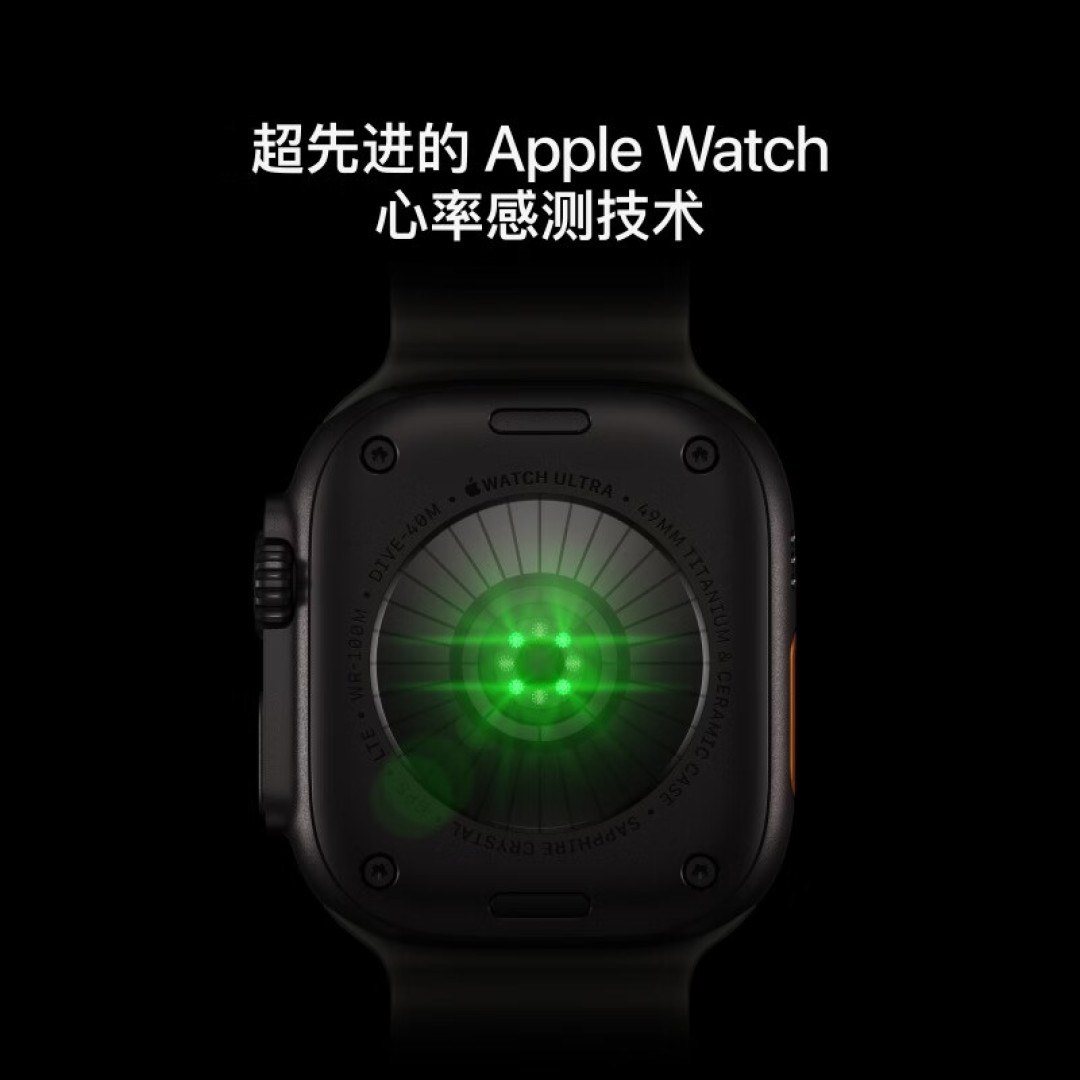 — the single 49mm case size is the most repeated caveat in Chinese coverage; the band choice changes the weight more than the case does.
Pros and Cons
Pros
- 50 hours of normal use and up to 84 hours in Low Power Mode — 8 and 12 hours more than the Ultra 3, and roughly double the Series 12’s 24 hours.
- S11 silicon, the same chip generation as the Series 12, so the outdoor line now matches the standard line on responsiveness.
- 3,000-nit always-on display — 1,000 nits up on the Series 12 and matched only by the Ultra 3 in this comparison.
- 100m water resistance with a 40m recreational dive rating, plus the emergency siren, crash detection and fall detection.
- Dual-frequency GPS, which the Series 12 does not have at all.
- ¥4,799 deal price, 9% below the previous listing and ¥1,700 under launch — cheaper than the refurbished Ultra 3 listing seen at ¥4,899.
- 99% positive rate on the JD self-operated listing, and a top-five position on the SMZDM smart-device deal board.
Cons
- 49mm, one size only, and heavy enough that both Chinese reviewers flag it for all-day wear.
- No new sensor, no new case, no thinner body — the entire generational delta is chip and battery.
- The 50-hour and 84-hour figures are official maximums that assume a moderate settings mix; GPS-heavy days land well short.
- 40m is a recreational dive rating, not a dive-computer replacement.
- Only two long-form SMZDM verdicts exist, neither from an owner, so the written evidence base is thin.
- Cellular service requires a carrier plan on top of the purchase price, with its own monthly cost.
How It Compares
| Model | Price | Brightness | Water rating | GPS | Battery |
|---|---|---|---|---|---|
| Apple Watch Ultra 4 (this review) | ¥4,799 deal (launch ¥6,499) | 3,000 nits | 100m, 40m dive | Dual-band | 50h / 84h low power |
| Apple Watch Ultra 3 | ¥6,499 launch | 3,000 nits | 100m, 40m dive | Dual-band | 42h / 72h low power |
| Apple Watch Series 12 (46mm GPS) | ¥3,459 listing (¥2,999 launch) | 2,000 nits | 50m | Single-band | 24h / 38h low power |
| HUAWEI WATCH GT 7 (46mm) | ¥1,196.80 | Not stated in source data | Not stated in source data | Not stated in source data | Not stated in source data |
| Apple Watch SE 3 (40mm) | ¥1,316.65 | Not stated in source data | 50m | Not stated in source data | Not stated in source data |
Read the table by column, not by row. On brightness and water rating, the Ultra 3 and Ultra 4 are identical, which is why the Ultra 3 only makes sense if the discount is steep — and right now it is not. On battery, the Ultra 4 is in a different class from everything Apple sells: 50 hours against 24 on the Series 12 is not an incremental gain, it is the difference between charging nightly and charging twice a week. On price, the Series 12 at ¥3,459 is the rational choice for anyone whose outdoor ambitions stop at weekend runs, and the HUAWEI WATCH GT 7 at ¥1,196.80 is the value alternative for buyers who want long battery and Bluetooth calling and do not need the Apple ecosystem, the dive rating or the siren.
The gap that the table cannot show is positioning. The Series 12 covers notifications, sleep tracking, ECG, blood oxygen and temperature sensing in a 46mm case that disappears on the wrist. The Ultra 4 adds endurance, brightness, dual-band GPS, depth and volume. You are paying ¥1,340 over the Series 12 listing price for those four things — and if you cannot name the trip where you need them, you are buying capability you will not use.
Who Should Buy It / Who Should Skip It
Buy it if you spend whole days, or whole weekends, away from power. Trail runners doing 50km and beyond, multi-day hikers, climbers, campers, and anyone whose watch currently dies somewhere inconvenient. The 50-hour figure changes behaviour: you stop planning routes around outlets, you stop carrying a watch charger, and you stop rationing GPS. Add the 3,000-nit screen for midday glare, dual-band GPS for canyon and forest terrain, and a siren you can hear over wind, and the Ultra 4 is a tool that earns its weight. The ¥4,799 deal makes that case stronger than at any point since launch.
Skip it if your watch spends most of its life within reach of a charger. If you run 5km three times a week, commute, sleep-track and take calls, the Series 12 does all of it at 2,000 nits and 50m water resistance for ¥1,340 less, in a case that will not feel like a brick by 9pm. Skip it too if you already own an Ultra 3 and the battery is not your bottleneck — the S11 chip is welcome but nothing in the rest of the package has moved, and a 42-hour watch that already gets you through your longest day does not become a better watch because the number on the box says 50. And skip it if you are buying for diving: 40m recreational is a rating for swimming and shallow recreational dives, not a substitute for a dive computer, and both Chinese reviewers say so explicitly.
Buying Advice
✅ Best Value — the ¥4,799 JD self-operated deal, 49mm black titanium with Ocean Band, GPS + Cellular. This is the configuration to buy and the price to buy it at. It is 9% below the previous listing, ¥1,700 under the ¥6,499 launch price, and — critically — below the ¥4,899 refurbished Ultra 3 listing seen on Apple’s China store page. You get the newest chip, the longest battery Apple ships, and full cellular for less than last year’s model. The 99% positive rate and a top-five slot on the SMZDM smart-device heat board suggest the deal is moving; deals at this depth on a current-generation Ultra do not sit still. If the black titanium and Ocean Band combination suits you, do not wait for a deeper cut that may not come before the listing resets.
💰 Premium Pick — the same watch at ¥6,499, or with a Milanese-style band. If you need a specific band finish or a colour that the deal does not cover, you are paying a ¥1,700 premium for cosmetics. There is a subsidy wrinkle worth knowing: SMZDM community coverage notes that the ¥6,499 list price sits above the ¥6,000 threshold for the national trade-in subsidy, and that buyers have had to use an education discount to drop the order under the line to qualify — while certain official band SKUs at ¥6,699 fall outside eligibility entirely. Run the numbers before you assume a subsidy applies; the straightforward ¥4,799 deal avoids the whole question.
⚠️ Budget Warning — do not buy the Ultra 3 at ¥6,499, and do not buy a cellular Ultra you will not activate. The Ultra 3 at full launch price is the worst value in this table: identical brightness, identical water rating, identical GPS, 8 fewer hours of normal battery, an older chip, and ¥1,700 more than the Ultra 4 deal. Its only defensible position is a deep clearance discount, which the current listings do not show. Separately, cellular adds a carrier subscription on top of the purchase price and its usefulness off-phone is bounded by network coverage and app support — if your phone is with you on every run, the GPS version is the honest choice. Finally, budget for the fact that this is a heavy watch: if you have not worn a 49mm titanium case for a full day, do that before you spend ¥4,799 on one.
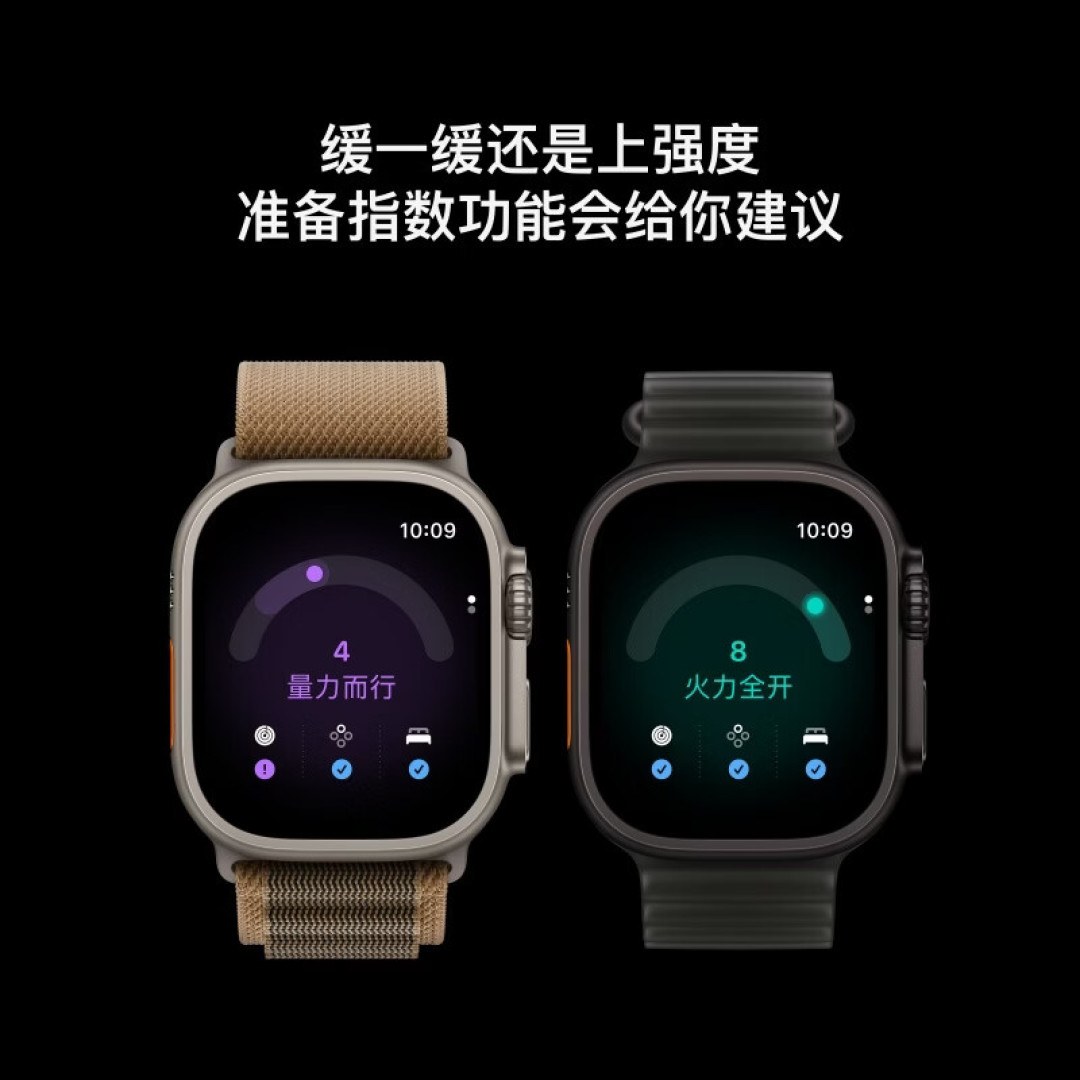 — the ¥4,799 coupon price is the configuration to target; premium band SKUs can push the order past the subsidy threshold entirely.
FAQ
Is the 49mm case too big? For some wrists, yes — and both Chinese reviewers say so without hedging. The Ultra line is 49mm in a single size, and the titanium case plus a rugged band carries real mass, which is why the advice in the SMZDM coverage is to try one on before buying rather than order and hope. If you are coming from a 40mm or 42mm Apple Watch, the jump is substantial. If you have worn a 45mm or 46mm watch comfortably, the Ultra will feel heavier but not unmanageable. The practical test is a full day, not five minutes in a store.
Is the 50 hours real? It is real as an official maximum, not as a guarantee. Apple’s 50-hour figure assumes a normal-use mix, and the Low Power Mode ceiling of 84 hours assumes you have stripped features back. Long GPS sessions, always-on display at high brightness and continuous health monitoring all pull it down, and the Chinese coverage is explicit that actual runtime depends on exactly those settings. Treat 50 hours as “two full days with a margin” and 84 as “a long weekend if you are disciplined” — both are still far beyond the Series 12’s 24 and 38 hours.
Is it worth it over the Ultra 3 at these prices? At the current numbers, clearly yes. The Ultra 4 deal at ¥4,799 undercuts the ¥6,499 Ultra 3 launch price by ¥1,700 while adding the S11 chip and 8 hours of normal runtime, and it also lands below the ¥4,899 refurbished Ultra 3 listing. The Ultra 3 only wins if you find it at a genuine clearance price well under ¥4,799 — and even then you are trading the newest silicon and the longest battery for a saving that would need to be large to make sense. The SMZDM verdict is the same one: big price gap, choose the Ultra 3; small gap, choose the Ultra 4. The gap is not small.
Do I need the cellular version? Only if you regularly leave your phone behind. Cellular adds a carrier subscription and its off-phone usefulness is limited by network coverage and by which apps support standalone operation. Runners and hikers who want calls and emergency contact without a phone should pay for it; everyone else should take the GPS version and put the difference toward a spare band.
Verdict
The Apple Watch Ultra 4 is a disciplined, unglamorous upgrade that happens to arrive at the right price. Apple changed two things — the chip and the battery — and both were the two things this watch’s audience had been asking for. Fifty hours of normal use and 84 in Low Power Mode do not sound dramatic until you compare them with the 24 hours the Series 12 offers, at which point the Ultra stops being an expensive Series watch with a tougher shell and becomes a different category of device: one you take into the backcountry without a charging plan. The 3,000-nit screen, the 100m rating, the dual-band GPS and the siren are unchanged, which is fine — they were already class-leading — and the S11 chip removes the last argument for buying the standard line on responsiveness.
The caveats are real and they are physical. It is 49mm in one size, it is heavy, it will feel like equipment on a small wrist, and neither of the two long-form SMZDM verdicts is written by an owner, so the written evidence base here is thin even if the 99% JD aggregate is strong. Nothing about the Ultra 4 rewards an impulse purchase by someone who charges their watch on a nightstand every night.
But at ¥4,799 — 9% below the previous listing, ¥1,700 under launch, and cheaper than a refurbished Ultra 3 — the value case is no longer arguable. If you have a trip on the calendar where 50 hours matters, this is the watch to buy, and this is the week to buy it.
Rating: 8.6/10
Not sure which to choose?
Compare specs side-by-side with our Product Comparator Tool
Related Reviews

Amazfit Bip 6 Review: The 10-Day Battery Smartwatch at ¥199
Amazfit Bip 6 has 50,000+ reviews on JD.com with a 4.5/5 rating at ¥199 ($28). Users love the incredible 10-day battery

Amazfit T-Rex 3 Review 2026: The Rugged GPS Watch for Extreme Adventures
Amazfit's T-Rex 3 rugged GPS smartwatch handles extreme outdoor conditions with MIL-STD-810H certification and 30-day ba

Amazfit Helio Ring Review: 24/7 Wearable Health Tracking at ¥1,799
The Amazfit Helio Ring packs sleep tracking, heart rate monitoring, SpO2, and activity tracking into a 3.4g titanium-all

Huawei Smart Glasses 2 Review: Mature Ecosystem in 38g at ¥2,299
Huawei's Smart Glasses 2, co-engineered with Gentle Monster, pack open-ear speakers, dual mics, and gesture controls int

Xiaomi Smart Band 10 Review: The Fitness Band Benchmark at ¥299
Xiaomi Smart Band 10 upgrades to a 1.96-inch AMOLED display, built-in GNSS, and a new BioTracker 5.0 PPG sensor. At ¥299