DJI Mini 5 Pro Review 2026: 1-Inch Sensor in a 249g Body at ¥4,764 — 98% Positive on JD
The DJI Mini 5 Pro is the ¥4,764.06 JD self-operated 249g camera drone carrying a 98% positive rate — a 1-inch CMOS sensor, forward LiDAR, full omnidirectional obstacle sensing, native vertical video and a 52-minute max flight time stuffed into a registration-free sub-250g body, one year after launch. Xiaohongshu owners call it the traveller gold standard but argue bundle strategy ("either bare or fully loaded"), return threads and crash posts after bad-avoidance days — this review weighs the one-inch Mini against the Mini 4 Pro at ¥4,509 and the Air 3S above it.
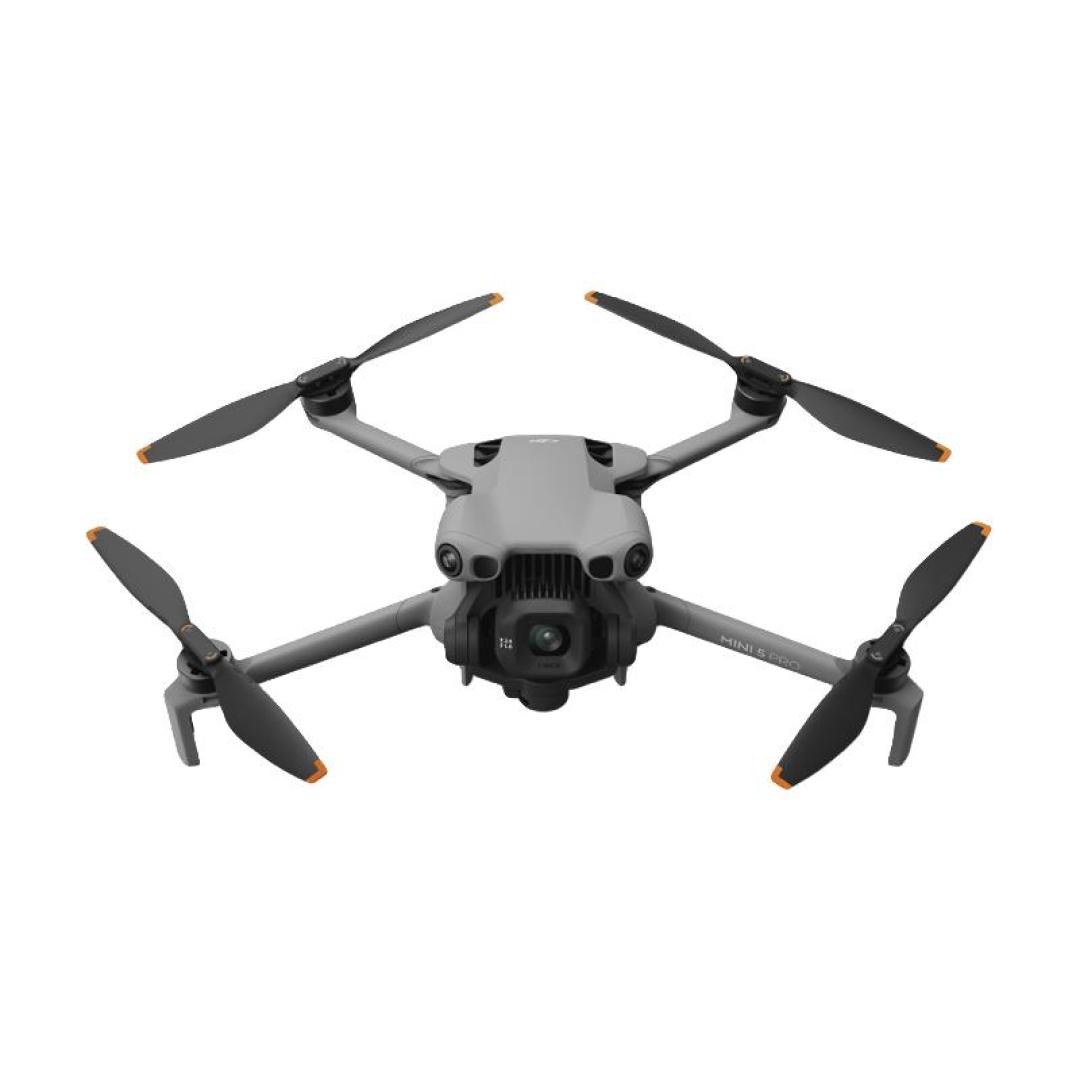
DJI Mini 5 Pro Review 2026: 1-Inch Sensor in a 249g Body at ¥4,764
The DJI Mini 5 Pro answers the question every traveller with a camera bag has asked since 2024: can a sub-250g drone — the weight class that avoids registration in most countries — finally carry the sensor and safety tech of a serious camera drone? On JD’s self-operated store the Mini 5 Pro is at ¥4,764.06 on the September 7 deal feed (SMZDM p/181845614, ¥4,788 minus a ¥23.94 discount) on a listing carrying a 98% positive rate, with the Long-Range Fly More Combo with the DJI RC 2 at ¥7,688 (p/181845577, updated September 7 at 12:01). For that money DJI packs a 1-inch CMOS sensor — up from the 1/1.3-inch chip in the Mini 4 Pro — a forward LiDAR added on top of the omnidirectional binocular vision system, 4K/120fps HDR video, native vertical shooting, and a claimed 52-minute ceiling with the long-range battery, all inside a body that sits right at the 249g registration-free line. Xiaohongshu owners who travel high and far call it the “gold standard for plateau and hiking aerial footage”; the same platform’s crash posts, instant-return threads and a running “bare or fully loaded” bundle debate are the honest counterweight. Conclusion: ✅ the most complete 249g camera drone on the market when the ¥4,764 deal stacks — buy it for one-inch travel imagery, LiDAR-assisted safety and 52-minute sessions; ⚠️ skip it if you only fly casually (the ¥4,509 Mini 4 Pro or a ¥1,799 Lito 1 covers you), if you need dual cameras (Air 3S territory), or if wind and ND-filter habits are deal-breakers for you.
Specifications
| Specification | Detail |
|---|---|
| Model | DJI Mini 5 Pro, 1-inch mini camera drone (standard remote control version) |
| Sensor | 1-inch CMOS (~50MP effective), f/1.8 fixed aperture (up from 1/1.3-inch, 48MP, f/1.7 on the Mini 4 Pro) |
| Weight | ~249 g body (about 249.9 g; ~310 g max takeoff) — registration-free class |
| Video | Up to 4K/120fps HDR; 4K/100fps slow motion; native vertical output |
| Obstacle sensing | Omnidirectional binocular vision + forward LiDAR + downward infrared |
| Transmission | O4+ enhanced transmission, up to 20 km claimed |
| Flight time | Up to 52 min with long-range battery (standard battery lower); ~69 min charge |
| Wind resistance | Up to 12 m/s (level 5+) |
| Gimbal / modes | 225° rotating gimbal; Smart Follow 6.0 (cycling tracking to 15 m/s); point-of-interest, waypoints, MasterShots |
| GNSS | L1 + L5 dual-band |
| Platform | JD self-operated (tracked listing) |
| Price (2026-09) | ¥4,764.06 standard remote combo (Sep 7 deal); ¥7,688 long-range Fly More Combo with DJI RC 2 |
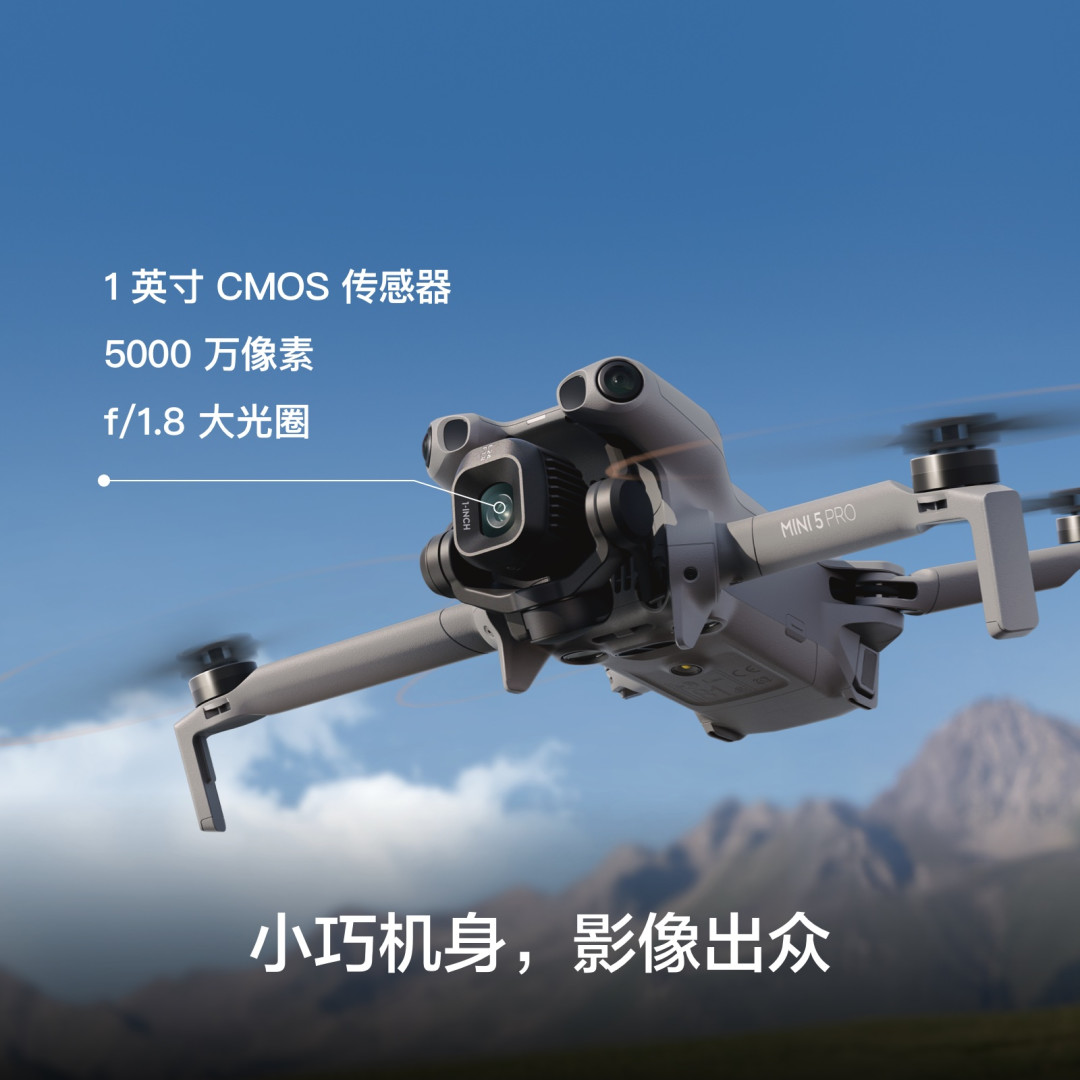 — the sub-250g body is the whole point: it folds into a bag pocket and stays clear of most registration rules, which is the first thing Xiaohongshu owners mention.
The 249g Question: How DJI Reinvented “Mini”
DJI’s Mini line has always been the answer to a weight limit, but the Mini 5 Pro is the first Mini where the camera, not the portability, is the headline. For the Mini 4 Pro, DJI used a 1/1.3-inch sensor at 48MP with an f/1.7 lens; for the Mini 5 Pro it moved to a true 1-inch CMOS around the same pixel count with an f/1.8 lens, and paired it with what owners actually notice in the field: a forward LiDAR unit added to the full binocular obstacle system. The practical difference shows up at dawn and dusk — exactly when travel footage happens. One-inch silicon gathers noticeably more light than 1/1.3-inch, so city-night and golden-hour shots hold shadow detail and stay cleaner, and the LiDAR reads obstacles more reliably in dim light, fog and dense foliage than vision-only systems. That is the “night-grade obstacle avoidance” label you see in the listings, and it is the feature Xiaohongshu’s plateau travellers lean on when they fly near tree lines and rock faces.
“Mini” now means a camera drone, not a toy. DJI’s own lineup shows how the Mini name migrated. Below the Mini 5 Pro, the Neo 2 (¥1,189.15 on the current feed) and Flip (¥1,905.17 standard single-battery combo) cover palm-launch and vlog flying with smaller sensors; the Lito 1 (¥1,799) is the 249g entry with 4K video and 8K stills. The Mini 5 Pro sits above all of them as the 249g class’s imaging flagship, and below the Air 3S — the dual-camera 1/1.3-inch traveller drone that starts above ¥5,000. One XHS buying-guide note put it simply: within 249g, the Mini 5 Pro is “the hexagon soldier” — the machine with no obvious weak side.
The follow 6.0 and vertical-video reality. The upgraded Smart Follow adds a cycling mode that tracks a subject at up to 15 m/s, and the 225° rotating gimbal lets the camera shoot native vertical video without cropping — a short-video workflow win that Chinese creators mention constantly. Add 48mm medium-tele framing (a crop mode that flattens perspective for portraits), waypoints, point-of-interest orbits and MasterShots, and the Mini 5 Pro covers everything an amateur travel filmmaker actually scripts.
What Verified JD Owners Say: Decoding 98% Positive
A 98% positive rate on a ¥4,764 drone listing is a strong signal — this price tier usually lands in the mid-90s because buyers arrive with high expectations. The verified-owner pattern on the Mini 5 Pro clusters around four points. First, image quality at dusk and night is the most-praised upgrade: owners coming from the Mini 4 Pro consistently report cleaner low-light footage and more recoverable shadows, which matches the physics of the larger sensor. Second, the LiDAR-assisted obstacle system earns “I flew it in a pine forest without a scratch” style comments from first-time drone buyers — the safety net doing what the marketing promises. Third, the 52-minute class flight time is called genuinely honest in real sessions, and the new battery is compatible enough with the family ecosystem that multi-battery owners do not feel locked in. Fourth, the native vertical output is praised by creators who post to short-video platforms — no cropping, straight from the card.
The caveats in the same reviews are equally consistent: the fixed f/1.8 aperture means bright-day shooters should carry ND filters, wind resistance tops out around level 4-5 before the gimbal works noticeably harder, and the full-option combo pricing climbs steeply — the Long-Range Fly More Combo with the DJI RC 2 is ¥7,688, which is 60% above the standard remote version. None of the tracked feedback describes a systemic defect; the complaints are about class limits and option-stacking cost, which is what you would expect at this tier.
 — the 1-inch CMOS and forward LiDAR are the two upgrades that separate this Mini from the Mini 4 Pro; they show up most in dusk and forest flying.
What Xiaohongshu Users Say
The buy signals. The strongest XHS signal is the traveller consensus: a “plateau travel first pick” note (posted by an XHS user documenting hiking use) praises the 249g body for trekking, the 1-inch sensor and 48mm medium-tele mode for snow-mountain portraits, L1+L5 dual-band return reliability, cycling follow at 15 m/s, and stable O4+ transmission at 6,000 m altitude — with the honest footnote that wind resistance is only average. A second upgrade-focused note from an ex-Mini 4 Pro owner lands on the same verdict: dual-native ISO and night shooting are the visible leap, city-flying O4+ holds its link between buildings, and obstacle avoidance at night is “reassuring enough to fly a city at night.” The official DJI first-flight guide (170 likes) and a 203-like “got my Mini 5 Pro” purchase post round out the positive cluster.
The bundle debate and the crash threads are real. Xiaohongshu’s Mini 5 Pro chatter has three recurring negative clusters worth reading twice. First, the “bare or fully loaded” argument (79 likes): a widely-liked note argues the Mini 5 Pro makes sense either as the base standard-remote version or as the full long-range combo — and that the middle self-assembled bundles (55 likes for a self-built combo note) are where buyers overpay. Second, the instant-return thread (146 likes, “bought and returned within seconds — the Fly More combo pitfalls”) warns that bundle contents and battery compatibility need checking before checkout. Third, the crash posts: a 244-like return post, a 30-like “my real view of obstacle avoidance after a crash” and a 38-like “is the Mini 5 Pro easy to crash?” thread together make the point that LiDAR is a safety aid, not a pilot — branches, thin wires and fast sideways moves can still beat any obstacle system. A 147-like Air 3S vs Mini 5 Pro comparison and an 85-like mini5Pro vs Air 3s thread frame the cross-shop decision for buyers who are actually weighing the dual-camera tier.
Verdict from Xiaohongshu: the Mini 5 Pro is the 249g class’s imaging and safety flagship — the plateau-and-travel gold standard with a one-inch sensor, LiDAR and 52-minute sessions — with three standing caveats: buy the base version or the full long-range combo (avoid middle bundles), treat obstacle avoidance as assistance rather than autopilot, and respect its average wind ceiling.
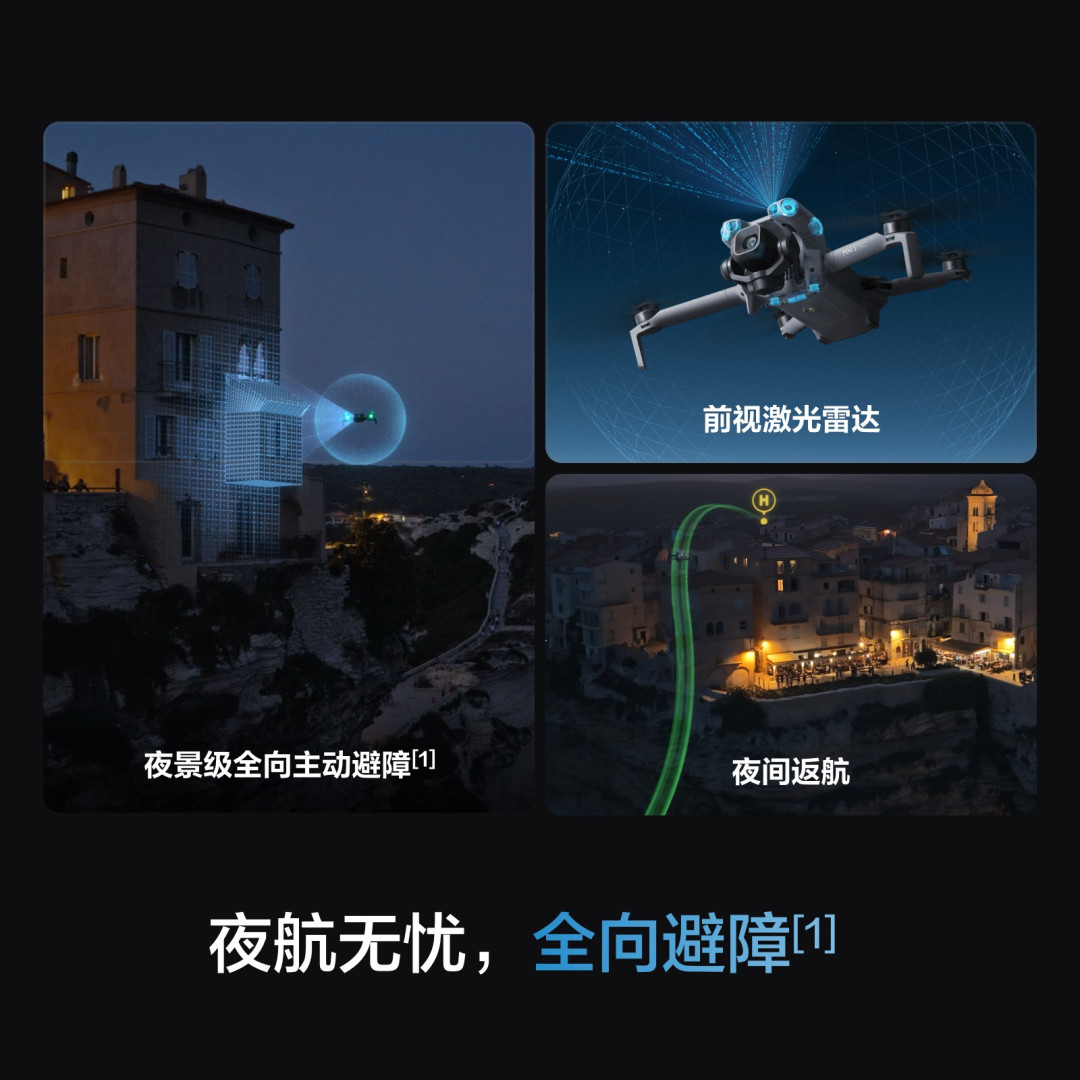 — the 225° gimbal enables native vertical video without cropping, the workflow reason creators on Xiaohongshu pick this over the Air 3S’s wider but heavier body.
DJI Mini 5 Pro vs Competitors (2026-09 Prices)
| Drone | Price (2026-09) | Sensor / Class | Key Difference |
|---|---|---|---|
| DJI Mini 5 Pro (this review) | ¥4,764.06 | 1-inch, 249g | LiDAR + full obstacle sensing, 52-min class, native vertical |
| DJI Mini 5 Pro Long-Range Fly More Combo (DJI RC 2) | ¥7,688 | 1-inch, 249g | Same drone + long-range battery set + enhanced-transmission controller |
| DJI Mini 4 Pro | ¥4,509 (Fly More bundle with screen remote on deal) | 1/1.3-inch, 249g | Previous flagship: no LiDAR, 45-min class, 4K/60fps HDR |
| DJI Lito 1 | ¥1,799 | entry, 249g | 4K/8K stills, no LiDAR; the true budget 249g ticket |
| DJI Flip (standard combo) | ¥1,905.17 | vlog drone | Palm-launch, full propeller guard, smaller sensor |
| DJI Air 3S | from ~¥5,000+ | dual camera, larger | Two lenses (wide + 3x tele), bigger body, higher wind class |
The honest read: within the 249g registration-free class the Mini 5 Pro is the imaging flagship and its only real rival is the previous generation — the Mini 4 Pro at ¥4,509 saves you roughly ¥255 but drops the 1-inch sensor, the LiDAR and the 4K/120fps ceiling. Step above 249g and the Air 3S’s dual cameras and bigger airframe justify its price only if you actually shoot two focal lengths; most travel creators on XHS who compared them concluded the Mini 5 Pro’s vertical video and portability win for short-form content, while the Air 3S wins for stills flexibility and wind.
Who Should Buy the DJI Mini 5 Pro
✅ Buy if: you travel and hike with a camera and want registration-free flying with real image quality, you shoot at dawn, dusk or night and want the cleaner 1-inch low-light look, you are a first-time drone buyer who wants the best obstacle safety net in the class, or you create vertical short video and want native 4K/120fps without cropping — buy at the ¥4,764.06 standard-remote deal price and, if you need multi-battery sessions, step up to the long-range combo only when the bundle math is clear.
💰 Cheaper alternative: the Mini 4 Pro at ¥4,509 covers 249g flying with excellent 4K/60fps imagery if the 1-inch sensor and LiDAR are not worth ¥255 to you; below that, the Lito 1 at ¥1,799 or Flip at ¥1,905.17 handle casual vlog flying at a fraction of the price.
⚠️ Skip if: you only fly a few times a year for fun (a ¥1,799 Lito 1 or even the ¥1,189 Neo 2 is enough), you need two focal lengths and windier conditions (that is the Air 3S’s job), you refuse to carry ND filters for bright-day shooting, or the ¥4,764 + accessory stack blows your budget — wait for a deeper deal rather than stretching into the ¥7,688 combo unprepared.
FAQ
Q: Is the Mini 5 Pro really registration-free at 249g? A: In China and most markets that exempt sub-250g drones from registration, yes — the body sits around 249g and the listings and XHS owners consistently describe it as registration-free. Note that some markets still apply local flight rules (no-fly zones, altitude limits, visual-line-of-sight), and the maximum takeoff weight with accessories is higher (~310g), so check your local rules before relying on the class exemption.
Q: What does the LiDAR actually add over the Mini 4 Pro? A: The forward LiDAR works alongside the omnidirectional binocular vision to sense obstacles in conditions where cameras struggle — dim light, fog and dense foliage. Owners describe it as a real safety upgrade for dawn/dusk flying and forest or tree-line environments. It is not autopilot: XHS crash posts make clear that thin wires, branches and fast sideways moves can still defeat any obstacle system.
Q: Standard version or the ¥7,688 Long-Range Fly More Combo? A: XHS’s consensus is “either bare or fully loaded”: take the ¥4,764.06 standard-remote version if you fly occasionally, or the full long-range combo (long-range batteries plus the DJI RC 2 with enhanced transmission) if you fly long sessions regularly. The middle self-assembled bundles are where buyers most often overpay or mis-match batteries — check contents carefully before checkout.
Q: Is 4K/120fps HDR worth upgrading from the Mini 4 Pro for? A: If you shoot motion-heavy scenes or slow-motion, yes — the Mini 4 Pro tops out at 4K/60fps HDR. Combined with the 1-inch low-light gain, the Mini 5 Pro is the meaningful video upgrade in the 249g class. For stills-first users who mostly shoot daylight, the difference is smaller and the ¥255 saving on the Mini 4 Pro may matter more.
Q: How is 98% positive reliable given the crash and return threads on XHS? A: The 98% is the tracked positive rate on the JD self-operated listing, and it aligns with the overall XHS record: the drone is widely praised as the class flagship. The negative threads are concentrated — bundle-purchase mistakes (returnable, and buyers should read combo contents), crash incidents from pilots pushing the envelope, and the expected “wind is only average” note. Buy from JD self-operated for after-sales recourse, and treat obstacle avoidance as a safety aid, not a pilot replacement.
Q: Does the Mini 5 Pro need ND filters? A: For bright-day shooting, most owners recommend ND filters because the aperture is fixed at f/1.8 — without them you are limited on shutter control in full sun, which matters if you want cinematic motion blur rather than choppy 120fps footage. For dusk, night and indoor flying, no filters needed.
Rating
- Build quality: 8.5/10 — precision folding airframe, mature gimbal; the class benchmark
- Image quality: 8.5/10 — 1-inch sensor is a genuine leap for dusk/night; fixed f/1.8 needs ND in sun
- Flight safety: 8.0/10 — best obstacle kit in the 249g class (LiDAR + omnidirectional); not pilot-proof
- Value: 7.8/10 — fair at ¥4,764.06; combo pricing climbs fast, and the Mini 4 Pro undercuts it closely
- Overall: 8.1/10 — The 249g imaging flagship: buy the one-inch + LiDAR travel drone at ¥4,764, skip it if casual flying or dual-camera needs point you cheaper or bigger.
Review based on SMZDM deal history (p/181845614 and p/181845577, updated September 7, 2026), JD self-operated listing data (98% positive rate, standard remote ¥4,764.06 / long-range combo ¥7,688), SMZDM wiki product-word-of-mouth and Xiaohongshu search results for the DJI Mini 5 Pro as of September 10, 2026. Prices are point-in-time and change with subsidies and coupons.
Not sure which to choose?
Compare specs side-by-side with our Product Comparator Tool
Related Reviews

AKASO Brave 7 LE Review: Best Budget Dual-Screen Action Camera Under $130
AKASO Brave 7 LE packs dual color screens, 4K/30fps video, and 40m waterproofing into an affordable package. At ¥699–899

Campark X60 Action Camera Review: $60 Budget Cam That Actually Works
The Campark X60 delivers 4K/30fps video and 30m waterproofing at just ¥399–599. While it makes compromises on stabilizat
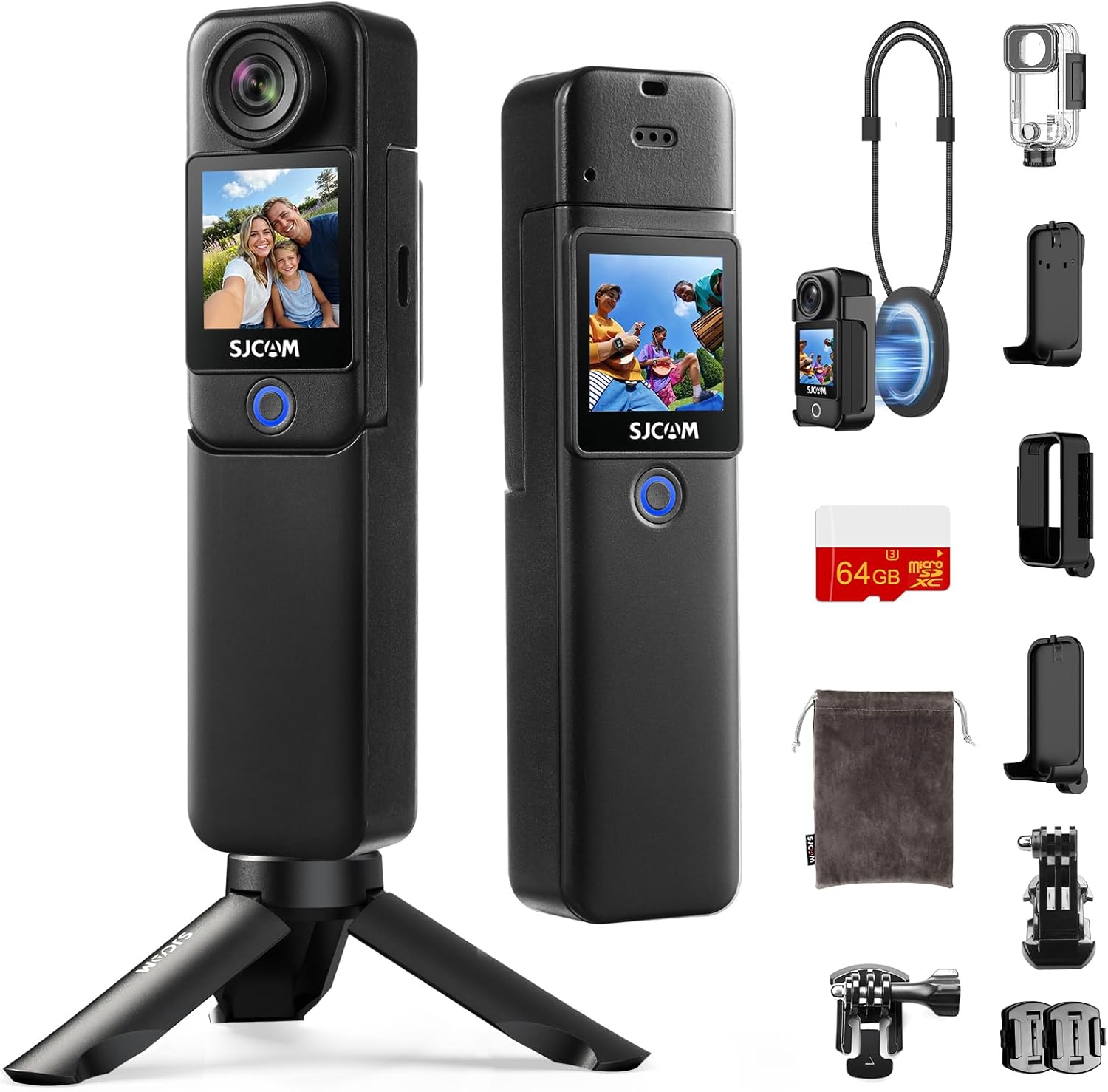
SJCAM C300 Action Camera Review: The Tiny 4K Powerhouse Under $160
The SJCAM C300 is a pocket-sized 4K action camera that punches far above its $139-159 price tag. With 6-axis EIS, dual s
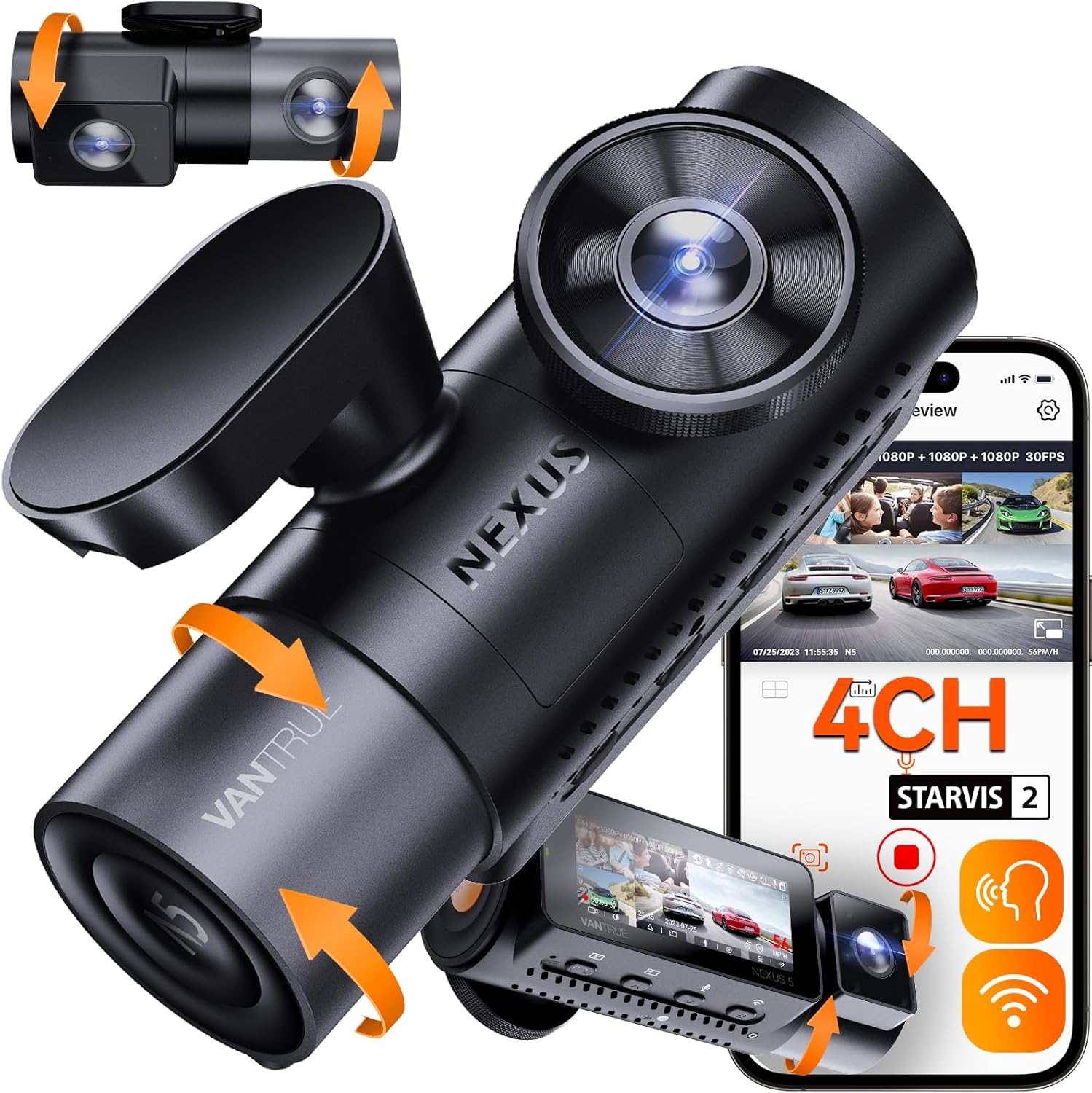
Vantrue N5 4-Channel Dash Cam Review: Complete 360° Surveillance on the Road
The Vantrue N5 is a flagship 4-channel dash cam with 4K front camera, four-camera coverage, Sony STARVIS sensors, and pa
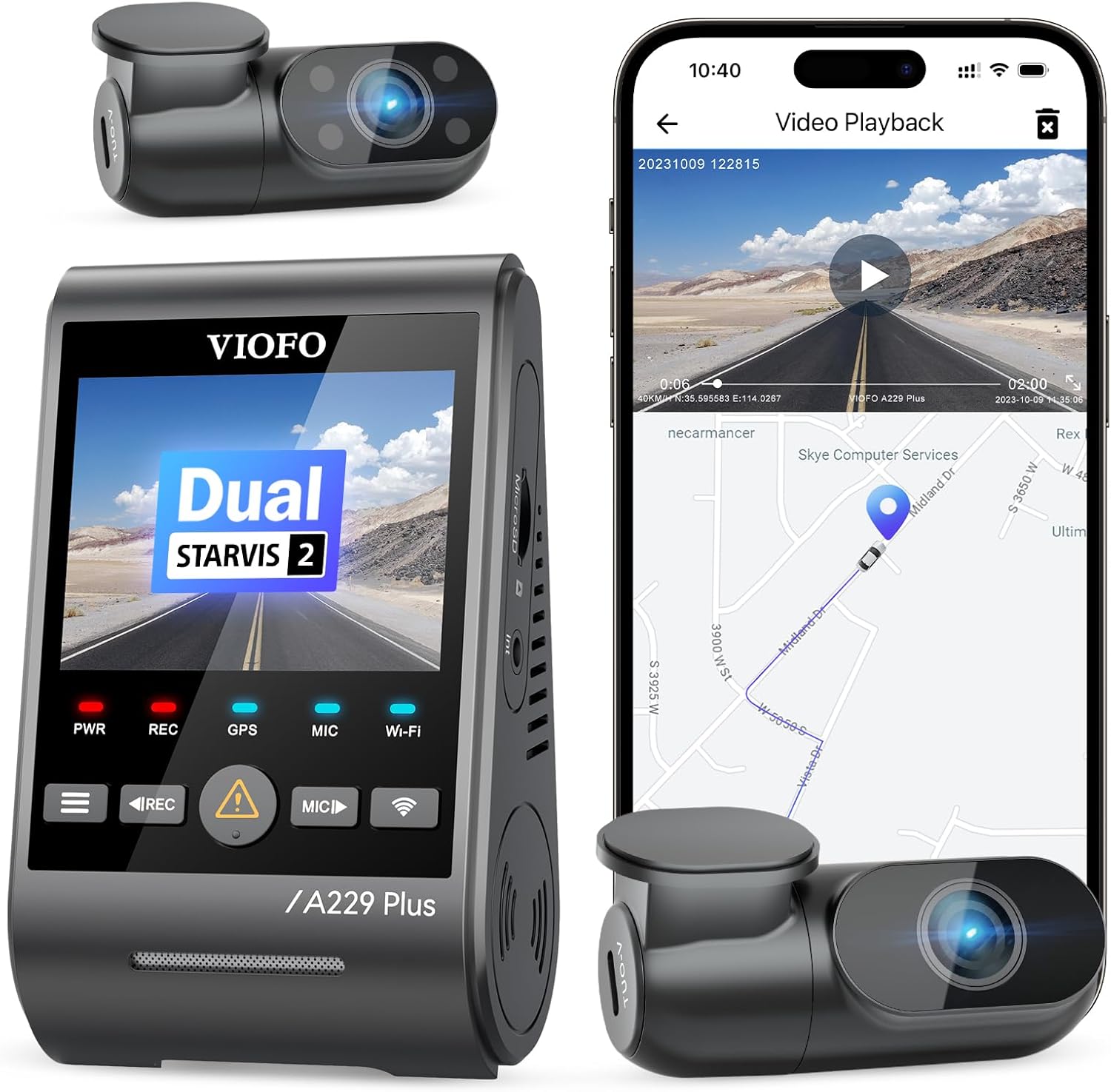
VIOFO A229 Pro 4K Dash Cam Review: Best 3-Channel with Sony STARVIS 2 Sensor
The VIOFO A229 Pro packs the latest Sony STARVIS 2 IMX678 sensor, true 3-channel recording, and HDR into a compact packa