Redmi G Pro 32U Review 2026: 31.5-inch 4K 160Hz MiniLED Monitor at ¥2,739 — 100% Positive on JD
The Xiaomi Redmi G Pro 32U is the 31.5-inch 4K MiniLED gaming monitor that finally undercuts its class: a JD listing carrying a 100% positive rate, priced at ¥2,739.1 on the September 2026 deal (down from a ¥3,599 regular price) for a 1,152-zone MiniLED panel with 1,600-nit peak brightness, a switchable 4K 160Hz / 1080P 320Hz mode and a built-in HyperOS TV system. Buy it for unmatched picture-per-yuan value and dual-mode flexibility; skip it if you need calibrated color control or painless returns, since Xiaohongshu owners report an unadjustable color temperature, narrow viewing angles, occasional disconnects and a red cast that varies unit to unit.
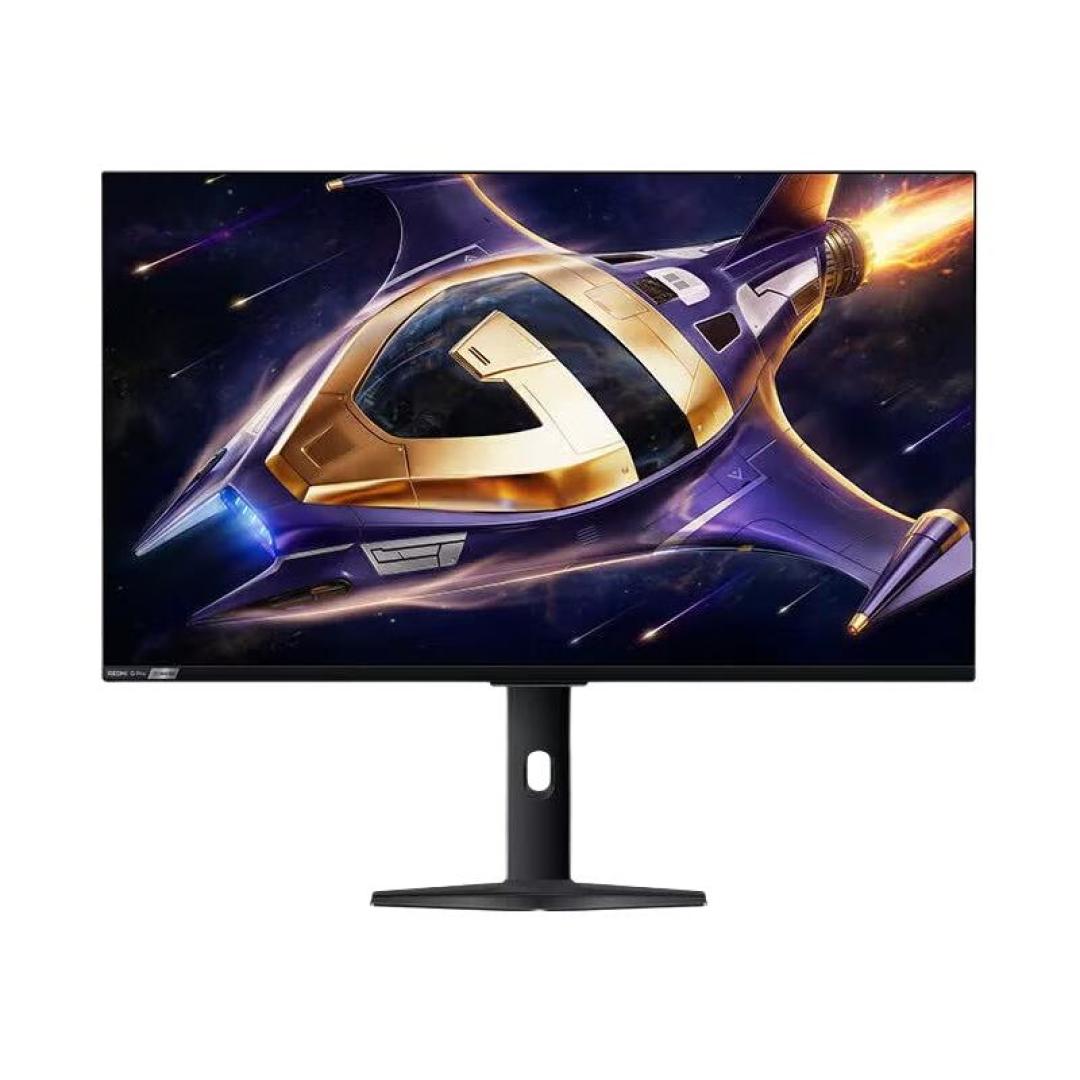
Redmi G Pro 32U Review 2026: 31.5-inch 4K 160Hz MiniLED Monitor at ¥2,739
The Redmi G Pro 32U is the monitor that finally brings 31.5-inch 4K MiniLED flagship hardware to a mainstream price: 1,152 local-dimming zones, 1,600-nit peak brightness, a switchable 4K 160Hz / 1080P 320Hz panel and a built-in TV system, all on a JD listing carrying a 100% positive rate, for a deal price as low as ¥2,739.1 against a ¥3,599 regular price. Xiaomi’s play is unusual — instead of a pure gaming monitor it ships a full-size 4K MiniLED panel of the kind usually found in ¥5,000-class rivals, then adds the HyperOS TV platform and a Type-C port so the screen doubles as a smart display. But the perfect JD score hides a split personality: Xiaohongshu owners praise the picture-per-yuan value while complaining about narrow viewing angles, an unadjustable color temperature, occasional disconnects and a red cast, and a widely-shared SMZDM article titled “Redmi Monitor Failure Record: Dazzling Specs, Lousy Experience” attacks the after-sales experience head-on. Conclusion: ✅ an exceptional-value 4K 160Hz MiniLED at the deal price — the specs-to-price ratio is the best in its class; ⚠️ skip it if you need calibrated color work or painless returns, because QC and firmware quirks are the recurring tax.
Specifications
| Specification | Detail |
|---|---|
| Model | Xiaomi Redmi G Pro 32U (31.5-inch class) |
| Panel | 31.5-inch / 32-inch flat Fast IPS with a 1,152-zone QD-MiniLED backlight |
| Resolution / Refresh | 3840 × 2160 4K at 160Hz, one-key switch to 1920 × 1080 at 320Hz |
| Peak brightness / HDR | 1,600 nits, VESA HDR1000 |
| Color coverage | 100% sRGB / 98% DCI-P3 / 100% Adobe RGB |
| Ports | USB Type-C + DisplayPort + HDMI |
| Built-in system | HyperOS TV system (4-core A73, 3GB + 32GB) — offline TV and streaming playback |
| After-sales | Replace-rather-than-repair policy |
| Platform | JD tracked listing, 100% positive rate |
| Price (2026-09) | ¥2,739.1 deal (¥3,599 regular, 24% below the last published price) |
— the 1,152-zone MiniLED backlight and 1,600-nit peak brightness are the specs that lift it out of the budget tier; the built-in TV system is what makes it unusual.
What Verified JD Owners Say
A 100% positive rate on JD is rare for any electronics listing, and it deserves decoding. On the tracked JD listing for the Redmi G Pro 32U the score sits at 100% as of September 10, 2026 (updated 21:52, 24% below the previous published price of ¥3,599 on September 8). At this price a near-perfect score is as much about expectations as perfection: buyers who spend ¥2,739 on a 31.5-inch 4K MiniLED generally know what they ordered, and the panel delivers the numbers printed on the box.
The most detailed verified-owner account comes from SMZDM’s product word-of-mouth thread. A buyer who paid ¥2,619 on PDD — undercutting even the JD deal — wrote: “The purchase price was 2,619. I had missed the 28xx good price on Douyin and ended up catching PDD’s 2,619. I had read online that QC was pretty poor and had prepared for repeated replacements. On arrival I recorded an unboxing video and checked for scratches; the production date was May. Then I began a 50-minute hunt for dead pixels and found 8 very tiny black dots — after wiping with a screen cloth they disappeared, and it turned out all 8 were dust. After checking four times I finally confirmed a perfect panel, and after a few hours of use the screen felt problem-free.” — Luguo Cha Ge Hua, SMZDM verified review (14 likes, 52 replies, June 14). That single post captures both the value case and the QC anxiety: a flawless panel at a street price under ¥2,700, won by luck rather than certainty.
The spec sheet is exactly why owners rate it so highly. The 4K 160Hz native mode and the one-key 1080P 320Hz mode mean one screen covers cinematic AAA titles and competitive shooters; the 1,152-zone MiniLED backlight with 1,600-nit peak brightness handles HDR1000 content; and the HyperOS TV system with a 4-core A73 chip and 3GB + 32GB of storage lets the monitor play streaming and broadcast content on its own, with no PC attached. A Type-C port plus DisplayPort and HDMI round out the I/O, and Xiaomi’s replace-rather-than-repair after-sales policy is the safety net. SMZDM’s own contributor summary (Trial Star) confirms the same hardware at the ¥3,199 presale price, which frames today’s ¥2,739.1 as roughly ¥460 below launch.
The caveats from verified owners are class-level rather than catastrophic. At ¥2,600–2,800 a 32-inch 4K MiniLED is a value play, and the owners who treat it that way are the ones leaving five stars. The gaps appear when buyers expect flagship polish — and that is exactly where Xiaohongshu’s complaint threads begin.
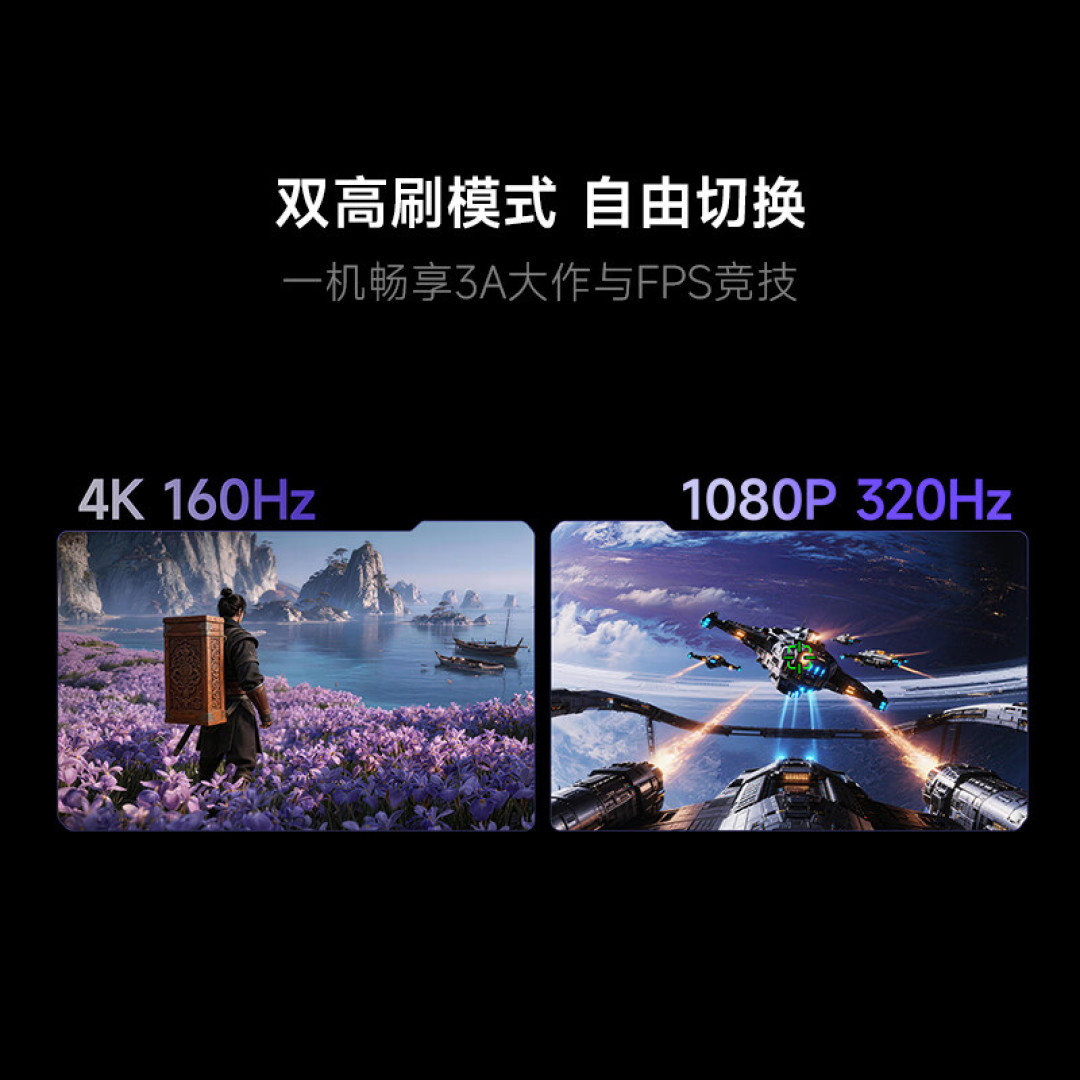 — one panel doing both jobs is the feature owners cite most when justifying the purchase to themselves.
What Xiaohongshu Users Say
The clearest Xiaohongshu truth about the G Pro 32U is that its 100% JD score and its XHS complaint threads describe the same monitor. The positive cluster is genuine: the most-liked note, “Xiaomi G Pro 32U 2026, got it, hehe” — Xiaohongshu user @flys (283 likes) — is pure unboxing joy; a popular setup post about mounting the monitor on a wheeled stand — Xiaohongshu user @Xibeishui (121 likes) — shows owners treating it as a workstation centerpiece; and “Sells well, so it’s good? Redmi GP32U, no ad” — Xiaohongshu user @Woshibuka (116 likes) — argues the value case from an owner’s seat. Comparisons carry the rest: “Redmi G Pro 27U vs 32U 2026: the real differences” — Xiaohongshu user @Yongjin (69 likes) — helps buyers pick a size, while a color-comparison post — Xiaohongshu user @Cris (38 likes) — digs into the panel’s out-of-box tint.
Then come the complaints, which any buyer should read before paying. The single most-shared gripe is color temperature. “Absurd — I spent 3,000 yuan on a monitor that can’t adjust color temperature” — Xiaohongshu user @Anonymous (10 likes) — is blunt, and it is not isolated: “G Pro 32U arrived, but why is it so red?” — Xiaohongshu user @BieNanweiDaye (3 likes) — describes the same warm cast. Xiaomi never exposed a user-facing color-temperature control in the on-screen menu, so an entire genre of community fixes exists — “Color-Temperature Adjustment Method for Xiaomi’s 2026 G Pro 27U and 32U” is one tracked tutorial — and buyers who need an accurate white point should know this going in.
The second cluster is viewing angles and panel uniformity. “The Xiaomi G Pro 32U monitor has very narrow viewing angles” — Xiaohongshu user @Saintbus (17 likes) — and a perfectionist post about panel uniformity — Xiaohongshu user @BailudeBiji (17 likes) — flag the Fast-IPS trade-off: straight-on it looks superb, off-axis it shifts. The third cluster is connectivity. “Why does the Redmi G Pro 32U keep disconnecting?” — Xiaohongshu user @Dark (2 likes) — with a companion disconnect note from Xiaohongshu user @LuoboQingcai (2 likes), points to firmware or HDMI handshake issues that some owners hit. A PDD purchase-failure post — Xiaohongshu user @Babailizhi (11 likes) — and a “how do I light up Dolby?” question — Xiaohongshu user @hb2000 (10 likes) — round out the friction. Verdict from Xiaohongshu: a stunning value panel that rewards buyers who accept its quirks — but confirm your color-temperature needs and your return window before committing.
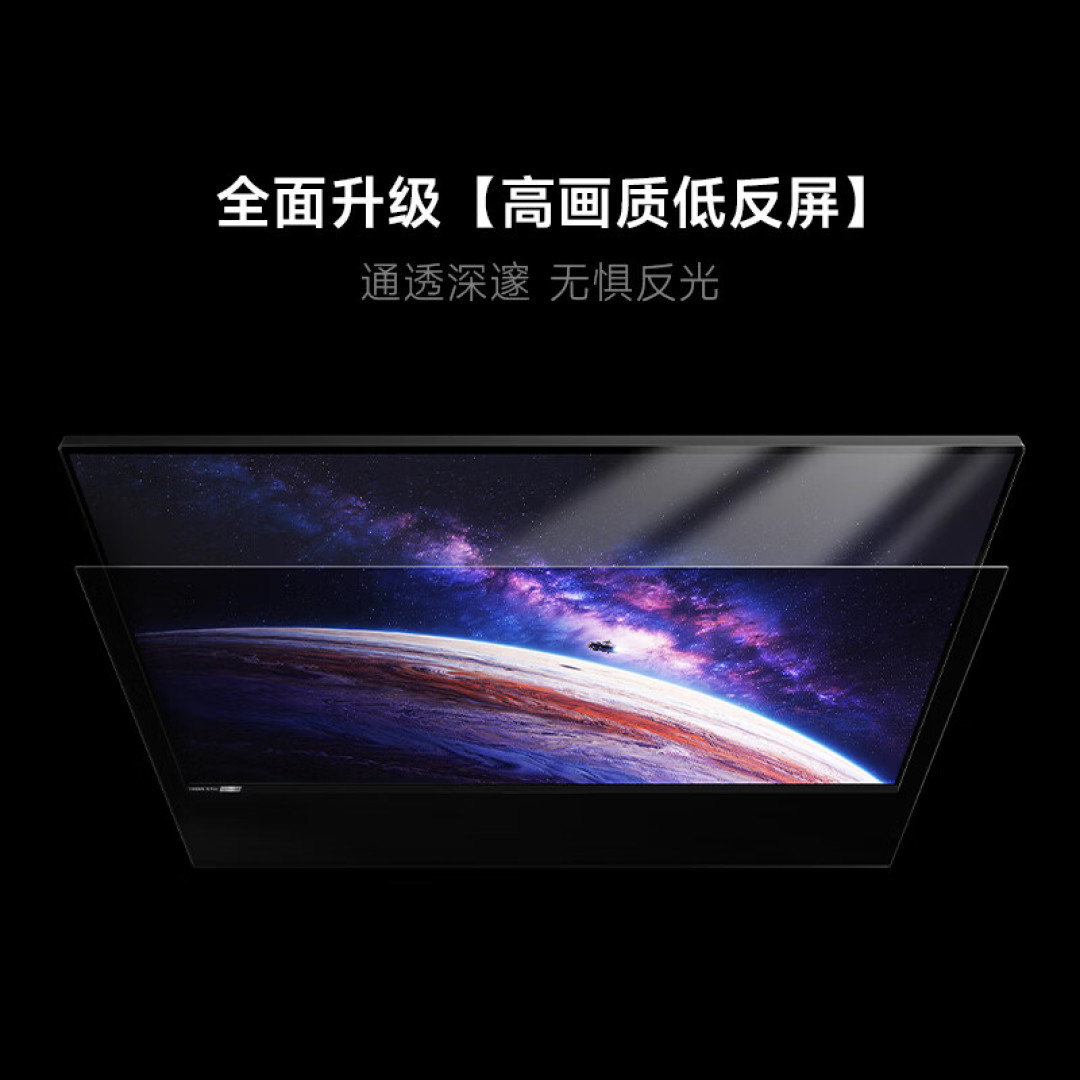 — the Fast-IPS panel’s off-axis shift is the most consistent hardware criticism across XHS threads.
Redmi G Pro 32U vs Competitors (2026-09 Prices)
| Monitor | Price (2026-09) | Panel / Key spec | Notes |
|---|---|---|---|
| Redmi G Pro 32U (this review) | ¥2,739–3,599 | 31.5-inch 4K 160Hz MiniLED, 1,152 zones, HDR1000 | 100% JD positive; built-in TV system |
| Redmi G Pro 27U | from ¥1,499 | 27-inch 4K MiniLED | Smaller sibling, same tech family |
| Philips 27M4P5501U | JD self-operated | 27-inch 2K 320Hz Fast IPS | 97% JD positive; direct high-refresh rival |
| Thunderbird Q6A | — | 2K 200Hz MiniLED HDR600 | Mid-tier MiniLED alternative |
| Thunderbird Q5AD | — | 27-inch 300Hz Fast IPS | Refresh-first pick |
| Thunderbird F5 | — | 100Hz MiniLED | Budget MiniLED |
| KTC 27S1 | — | 2K 200Hz HDR400 | Value 2K gaming panel |
| Titan Army P2511G+ | — | 24.5-inch 215Hz | Small esports screen |
| MSI PRO MP273W / AOC 27B3 | — | office-oriented | Non-gaming work displays |
The honest read: at ¥2,739.1 the G Pro 32U is the cheapest way to get a 31.5-inch 4K MiniLED with HDR1000 and a dual-mode 320Hz path, and its real rivals are the smaller Redmi G Pro 27U from ¥1,499 (drop a size and roughly ¥1,200 to keep the same MiniLED family) and the Philips 27M4P5501U (a 97%-rated JD self-operated 2K 320Hz panel that trades 4K resolution and MiniLED dimming for a lower price and easier after-sales). The Thunderbird line spans budget MiniLED and high-refresh Fast-IPS options, KTC’s 27S1 covers 2K HDR400 value buyers, and the Titan Army and MSI/AOC models serve either small-screen esports or office use. None matches the G Pro 32U’s combination of 4K, MiniLED and a 32-inch canvas at this price — which is precisely why the JD score is what it is, and why the quirks matter.
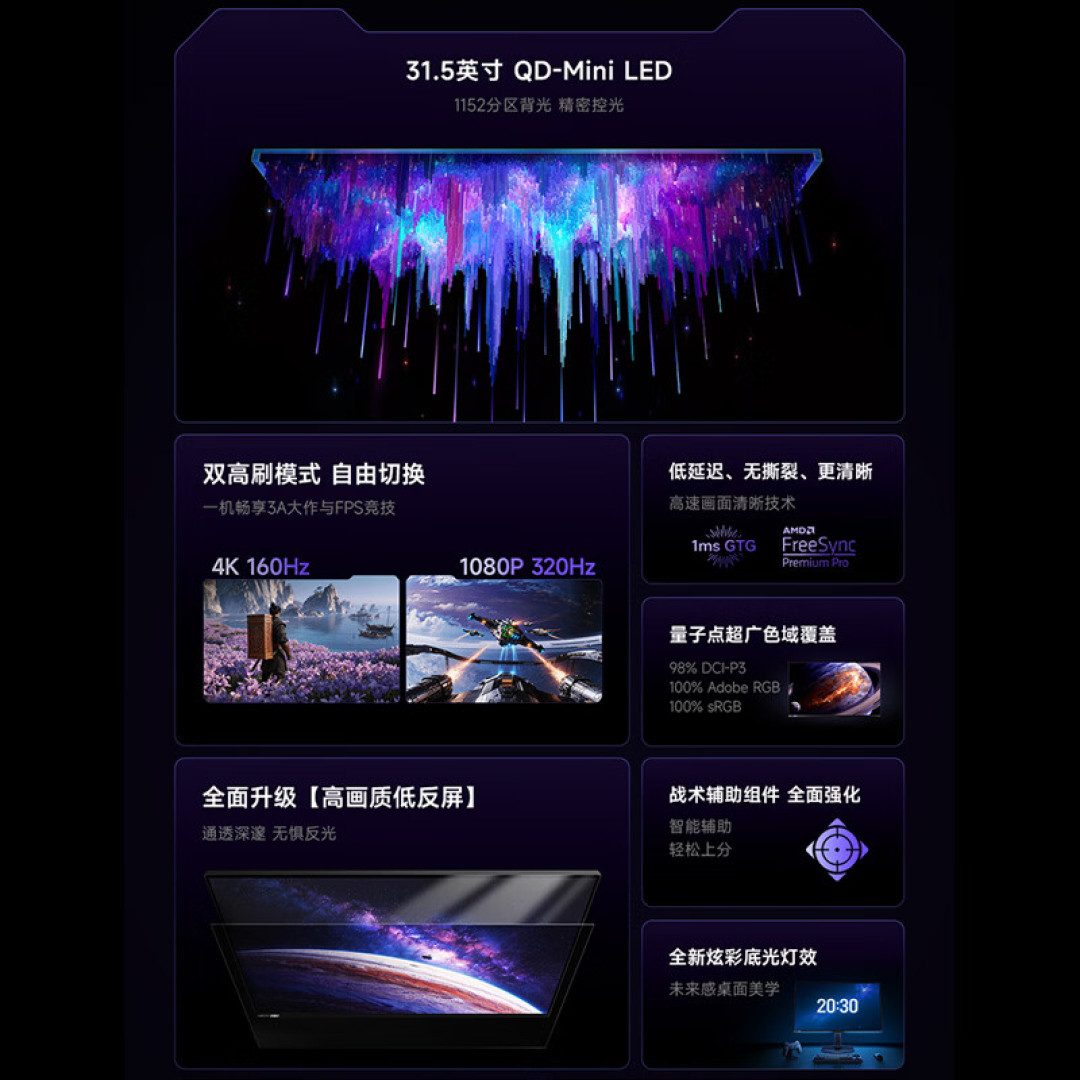 — Type-C plus DP and HDMI, and a built-in TV system, are the differentiators rivals at this price do not match.
Who Should Buy the Redmi G Pro 32U
✅ Buy if: you want the most 4K MiniLED screen for the money and will buy at the ¥2,739.1 deal price; you play both cinematic AAA games (4K 160Hz, HDR1000, 1,152-zone dimming) and fast shooters (one-key 1080P 320Hz); you want one display that doubles as a TV thanks to the built-in HyperOS system; or you value the replace-rather-than-repair after-sales policy and are buying from JD rather than a grey-market seller.
💰 Cheaper alternative: drop to the Redmi G Pro 27U from ¥1,499 for the same MiniLED tech on a smaller 27-inch panel, or the Philips 27M4P5501U if you prefer a 97%-rated JD self-operated 2K 320Hz panel with simpler support. For desktop work rather than 4K gaming, an office-class MSI or AOC panel costs far less.
⚠️ Skip if: you need user-adjustable color temperature or a calibrated white point for photo and video work (an XHS complaint cluster, not a single unit), you sit off-axis or use the screen for group viewing (narrow viewing angles), you are sensitive to firmware quirks such as HDMI/DP disconnects, or you want a guaranteed-perfect panel without return roulette — the value depends on winning the QC lottery.
FAQ
Q: Is the Redmi G Pro 32U actually 4K and 320Hz at the same time? A: No — it is a dual-mode panel. It runs 3840 × 2160 at 160Hz natively, and a one-key switch drops it to 1920 × 1080 at 320Hz for competitive play. You choose the mode that fits the game; you cannot have both at once.
Q: Why do some owners say the color temperature cannot be adjusted? A: The shipped on-screen menu does not expose a user-facing color-temperature control, which is why Xiaohongshu hosts posts such as “Absurd — I spent 3,000 yuan on a monitor that can’t adjust color temperature,” alongside community tutorials for a workaround. If an accurate white point is essential, plan for that limitation or budget for a colorimeter.
Q: What is the lowest price for the G Pro 32U in 2026? A: The JD deal price reaches ¥2,739.1 (a 10% subsidy plus a ¥500 first-purchase credit and ¥50 review cashback) against a ¥3,599 regular price. The historical low is lower still: a PDD buyer reported paying ¥2,619, and JD tracked ¥2,879.1 in late August and a ¥2,951.05 low in June.
Q: Does the built-in TV system mean I can use it without a PC? A: Yes. The HyperOS TV platform with a 4-core A73 chip and 3GB + 32GB of storage lets the monitor stream and play content on its own, with Type-C, DisplayPort and HDMI inputs for computers and consoles when you want them.
Q: How reliable is the 100% JD positive rate given the Xiaohongshu complaints? A: The 100% is the tracked positive rate on the JD listing and reflects the buyers who value the exceptional specs-to-price ratio. The XHS negatives concentrate on specific issues — unadjustable color temperature, narrow viewing angles, occasional disconnects and a red cast — so read the two sources together: buy it for value, and verify your return options in case you draw a lesser unit.
Rating
- Build and panel: 8.3/10 — 31.5-inch 4K MiniLED with 1,152 zones and 1,600 nits is flagship hardware at a mid-range price
- Gaming performance: 8.4/10 — 4K 160Hz and a one-key 1080P 320Hz mode cover both cinematic and competitive play
- Features: 8.3/10 — built-in HyperOS TV system, Type-C and replace-rather-than-repair support are genuine differentiators
- Value: 8.6/10 — at ¥2,739.1 nothing else in the class matches the spec sheet
- Usability: 7.6/10 — no user color-temperature control, narrow viewing angles and occasional disconnects drag the experience down
- Overall: 8.2/10 — the value king of 4K MiniLED monitors: buy it at ¥2,739.1 for the best specs-per-yuan in the class, but accept the unadjustable color temperature and QC quirks that the 100% JD score does not tell you.
Review based on SMZDM deal history (p/182078947 updated September 10, 2026, 100% JD positive rate, ¥2,739.1 deal from a ¥3,599 regular price), SMZDM wiki product word-of-mouth, and Xiaohongshu search results for the Redmi G Pro 32U as of September 11, 2026. Prices are point-in-time and change with subsidies and coupons.
Not sure which to choose?
Compare specs side-by-side with our Product Comparator Tool
Related Reviews
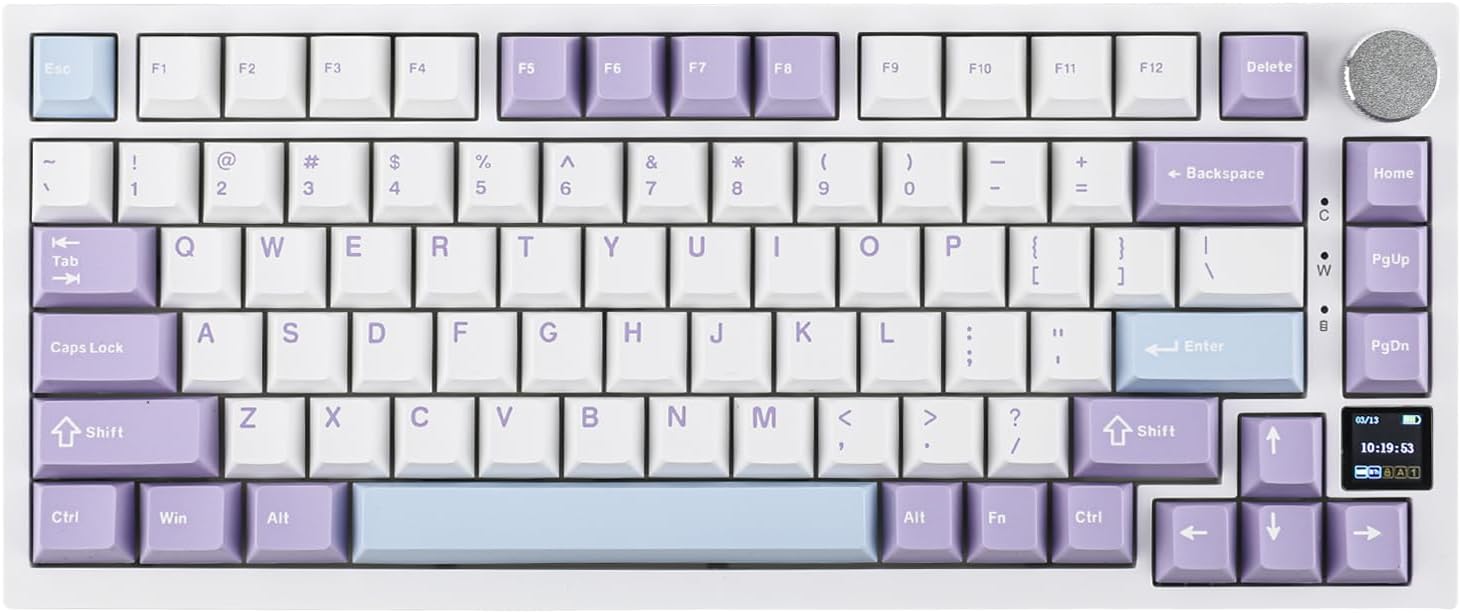
Ajazz AK820 Pro Review: 75% Mechanical Keyboard with Built-In Screen
Ajazz AK820 Pro has 20,000+ reviews on JD.com with a 4.5/5 rating at ¥199 ($28). Users love the innovative LCD screen, g
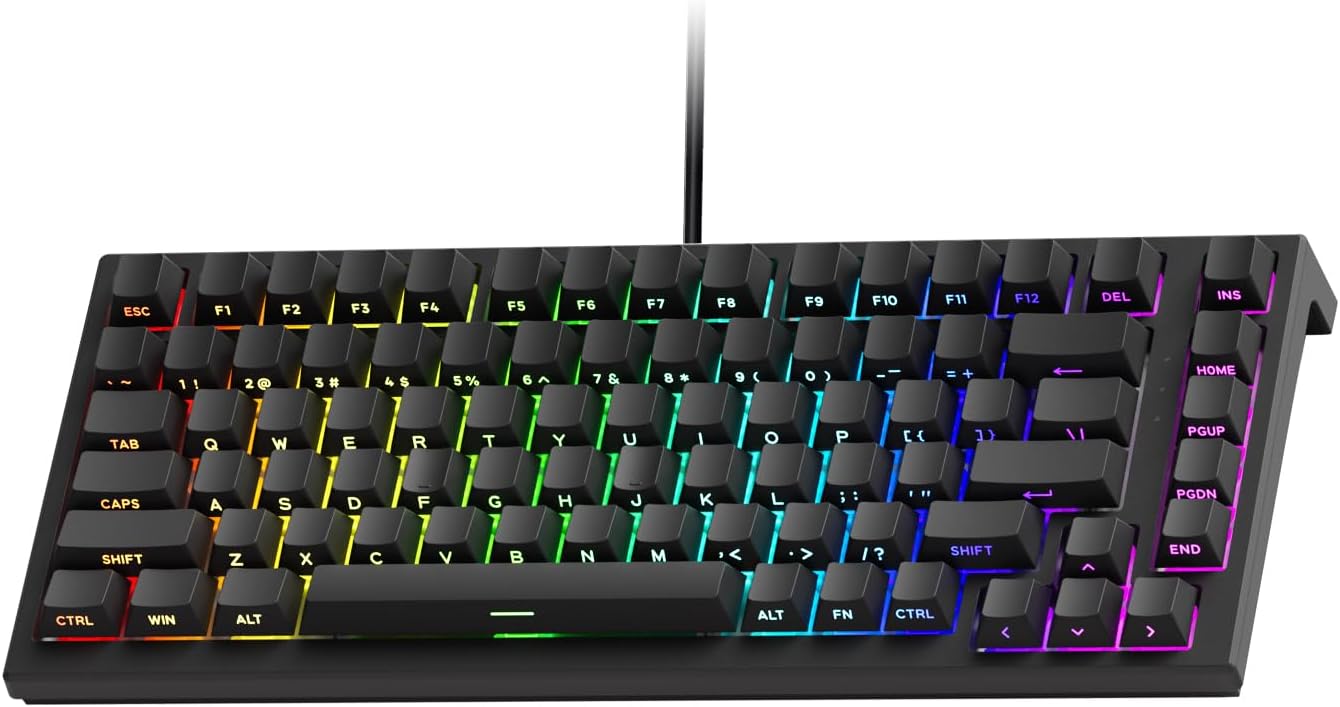
Akko 3068 Plus Review: The Compact 65% with Gasket Mount Comfort
Akko 3068 Plus has 10,000+ reviews on JD.com with a 4.5/5 rating at ¥269 ($38). Users praise the gasket mount typing fee
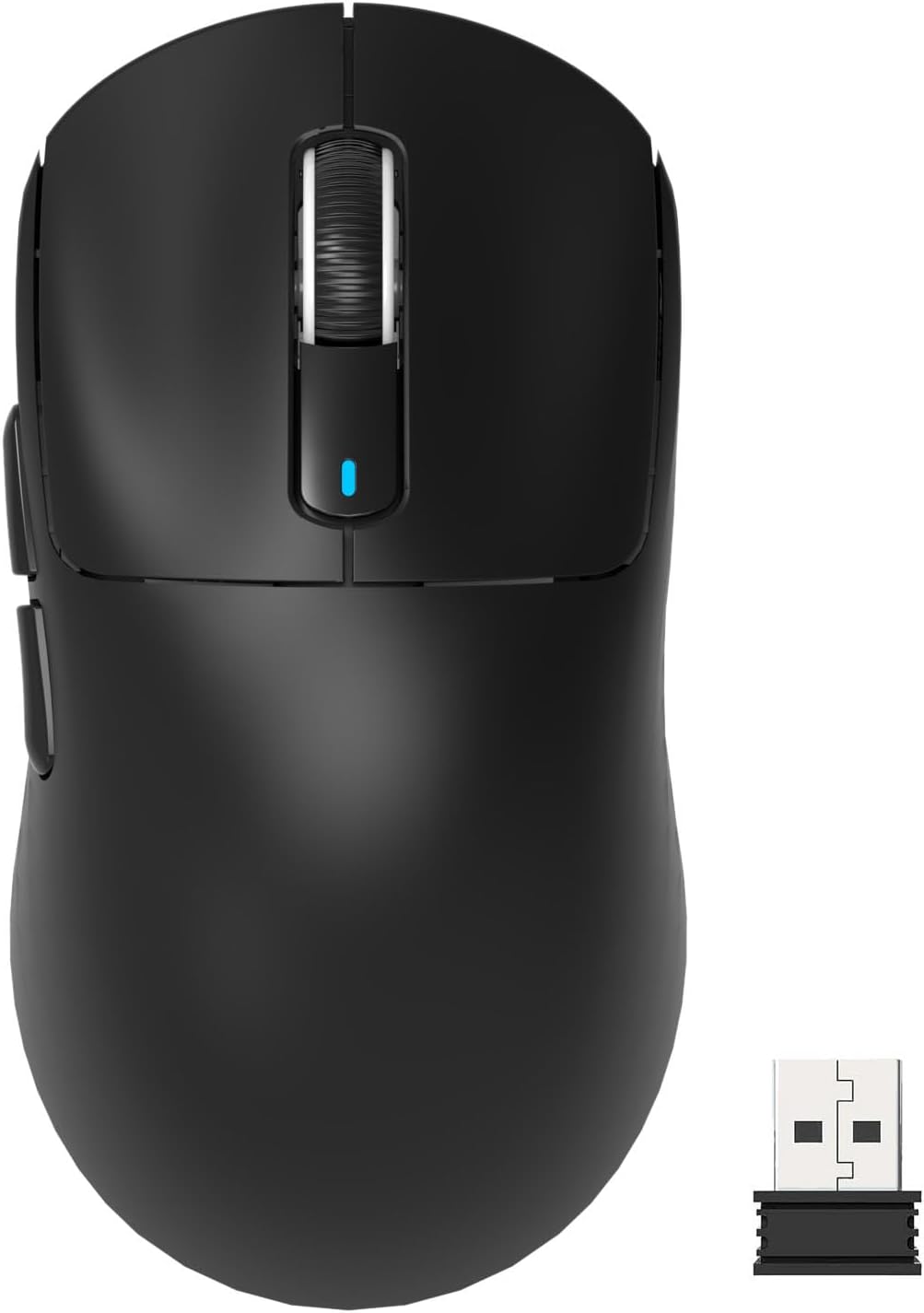
Attack Shark X3 Mouse Review: The Ultra-Budget PAW3395 Gaming Mouse
Attack Shark X3 has 30,000+ reviews on JD.com with a 4.5/5 rating at ¥119 ($17). Users love the unbeatable price for PAW
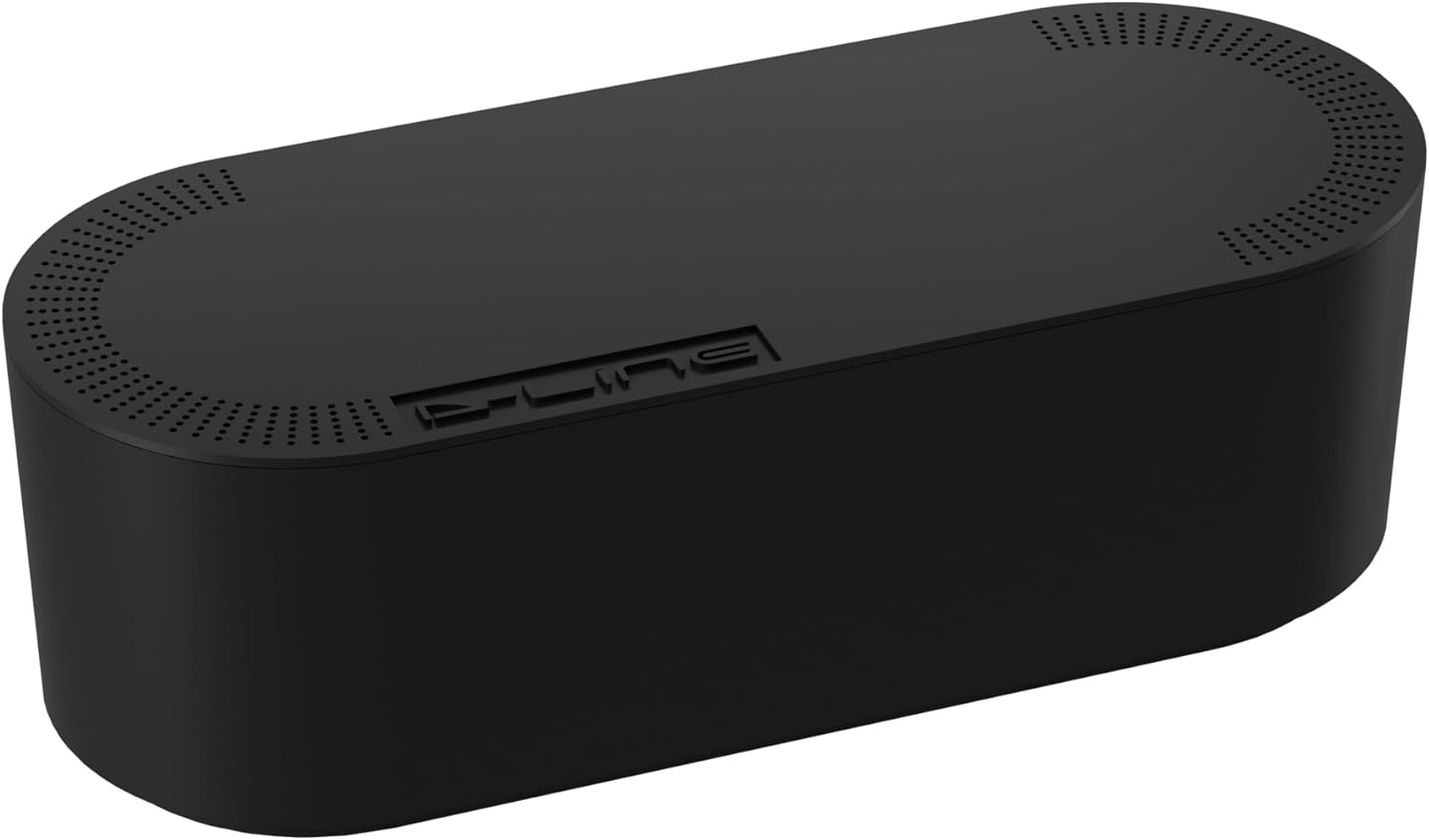
Baseus Cable Management Box Review: Tame Your Desktop Chaos for ¥39
Baseus Cable Management Box has 40,000+ reviews on JD.com with a 4.5/5 rating at ¥39 ($5.50). Users love how it hides ca
Baseus Desk Mat Review: Washable Waterproof Desk Pad for Clean Workspaces
Baseus Desk Mat has 50,000+ reviews on JD.com with a 4.3/5 rating at ¥69 ($10). Users love the waterproof surface and ea