Redmi Note 14 Pro+ Review 2026: 200MP Camera + 120W Charging at ¥1,899
Redmi Note 14 Pro+ brings a 200MP OIS camera and 120W HyperCharge to the mid-range at ¥1,899 ($263). JD.com users rate it 97% positive from 100,000+ reviews. The Dimensity 7300-Ultra delivers smooth daily performance, though camera processing can be inconsistent in low light.
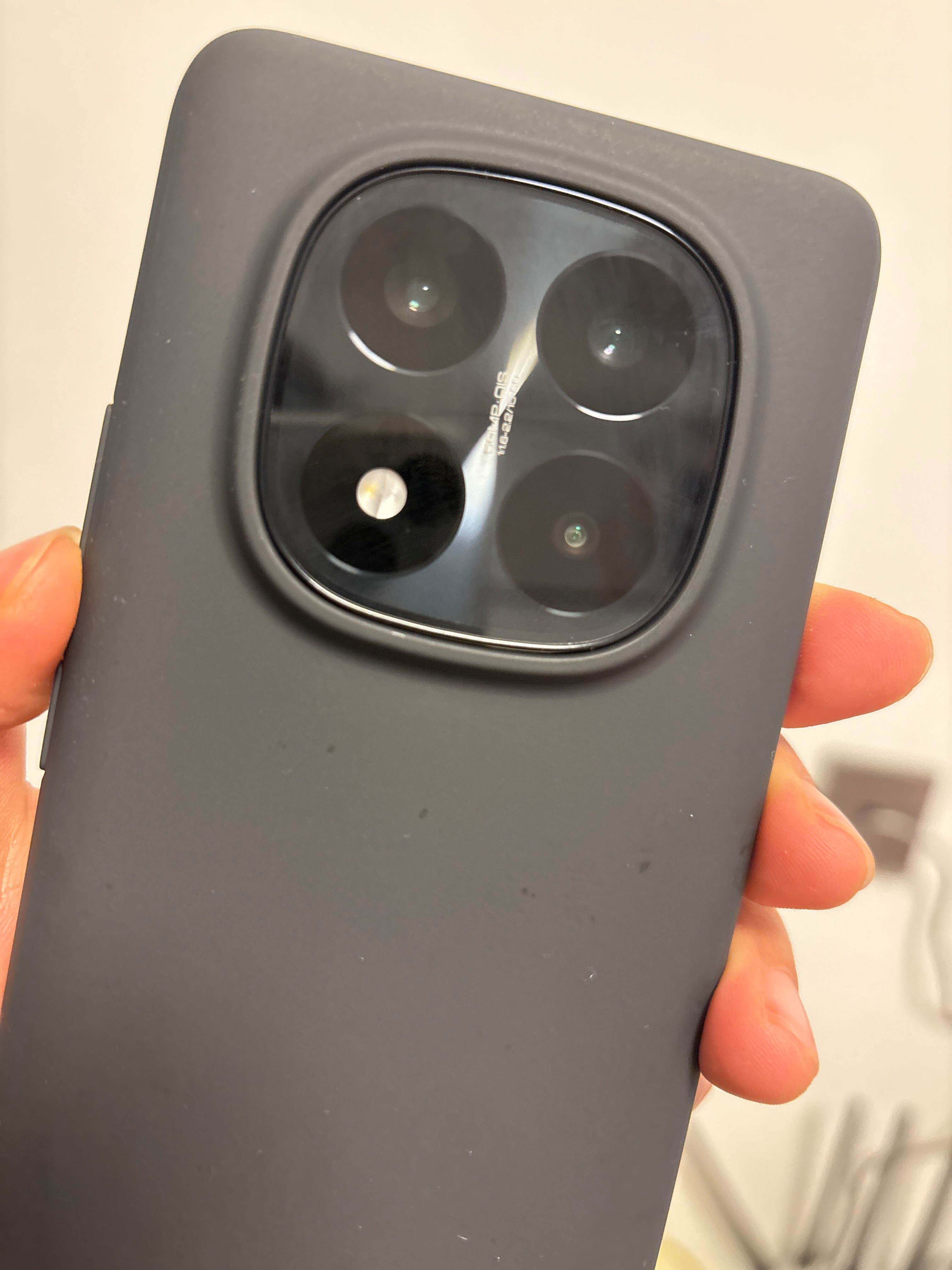
Redmi Note 14 Pro+ Review 2026: 200MP Camera + 120W Charging at ¥1,899
The Redmi Note 14 Pro+ delivers flagship-grade camera hardware and charging speed at a mid-range price point. With over 100,000 reviews on JD.com and a 97% positive rating, it’s the most acclaimed Redmi Note in years. The 200MP OIS main camera and 120W HyperCharge stand out, while the Dimensity 7300-Ultra delivers smooth everyday performance. Priced at ¥1,899 ($263), it raises the bar for mid-range smartphones in China, though the ultrawide camera and low-light processing leave room for improvement.
Specifications
| Specification | Redmi Note 14 Pro+ |
|---|---|
| SoC | MediaTek Dimensity 7300-Ultra |
| Display | 6.67” 1.5K AMOLED, 120Hz, 1800 nits peak |
| Rear Cameras | 200MP OIS main (Samsung HP3), 8MP ultrawide, 2MP macro |
| Front Camera | 20MP |
| Battery | 5000mAh |
| Charging | 120W HyperCharge (wired) |
| OS | HyperOS 2.0 (Android 15) |
| RAM / Storage | 12+256GB / 16+512GB |
| Weight | 208g |
| Dimensions | 162.3 × 74.4 × 8.9 mm |
| Colors | Midnight Black, Aurora Purple, Frost Blue |
| Biometrics | In-display fingerprint sensor |
| Audio | 3.5mm headphone jack, stereo speakers |
| Connectivity | 5G, Wi-Fi 6, Bluetooth 5.4, IR blaster |
| Durability | IP64 (splash resistant) |
Design & Display
The Redmi Note 14 Pro+ adopts a refined design language that punches above its price tag. The camera module — a large circular housing on the rear — gives the phone a distinct visual identity that sets it apart from the slab-like competition. The frame is flat-edged with subtle chamfers, making the 208g body feel substantial without being unwieldy.
Three color options are available. Midnight Black is the safe, professional choice. Aurora Purple shifts between violet and blue depending on the light, and Frost Blue offers a clean, icy finish that catches attention without being flashy. The glass back resists fingerprints reasonably well, though a case is advisable given the IP64 rating — splash resistant, not fully waterproof.
The 6.67-inch 1.5K AMOLED panel is the star of the front. At 1800 nits peak brightness, outdoor readability is excellent — something real users consistently praise. The 120Hz refresh rate makes scrolling fluid, and Xiaomi’s color tuning in HyperOS 2.0 offers accurate sRGB and DCI-P3 coverage out of the box. An always-on display mode is included, with customizable clock styles and notification icons.
The in-display fingerprint sensor is fast and reliable, positioned at a comfortable thumb height. Xiaomi has also kept the 3.5mm headphone jack and IR blaster — two features that are vanishing from the mid-range segment and that Chinese users still value highly.
Performance
Dimensity 7300-Ultra
The MediaTek Dimensity 7300-Ultra is built on a 4nm process with octa-core CPU (4× Cortex-A78 at 2.5GHz + 4× Cortex-A55 at 2.0GHz) and a Mali-G615 MC2 GPU. This is a solid mid-range chip that prioritizes efficiency over raw peak performance.
Daily Use
In day-to-day tasks — WeChat, browsing, video streaming, navigation — the Redmi Note 14 Pro+ feels snappy and responsive. App launches are quick, multitasking with 12GB or 16GB of RAM is seamless, and the 120Hz display makes every interaction feel fluid. HyperOS 2.0’s memory management has improved significantly over earlier MIUI iterations, keeping more apps in memory for longer without aggressive background killing.
Gaming
Genshin Impact runs at medium settings with a stable 40-45 fps. Honkai: Star Rail is similarly playable at medium presets. Less demanding titles like Honor of Kings and PUBG Mobile run at high settings with consistent frame rates. The phone does warm up under sustained gaming load — surface temperatures reach around 41°C after 30 minutes — but it stays within comfortable limits and doesn’t throttle aggressively.
Storage
The base 12+256GB configuration offers ample space for most users, while the 16+512GB top-end variant is generously future-proofed. UFS 3.1 storage ensures fast app installs and file transfers.
Camera System
200MP Main Camera (Samsung HP3)
The headline feature is the 200MP Samsung ISOCELL HP3 sensor with optical image stabilization (OIS). This is the same sensor family found in much more expensive devices, and its inclusion at ¥1,899 is remarkable.
By default, the camera shoots at 12.5MP (16-in-1 pixel binning), producing detailed, well-exposed shots in good light. Colors lean slightly toward the vibrant side — Xiaomi’s camera tuning prioritizes social-media-ready output over clinical accuracy. Dynamic range is solid thanks to the sensor’s native dual-conversion gain.
The 200MP mode is accessible through the Pro mode or the dedicated high-res toggle. It captures extraordinary detail in well-lit scenes — enough to crop significantly and still retain usable quality. However, file sizes are massive (30-50MB per shot), and processing takes a noticeable 1-2 seconds.
OIS makes a meaningful difference in low light. Handheld night shots at 1-2 second exposures yield clean results with minimal blur. Xiaomi’s Night Mode applies multi-frame stacking that lifts shadows and controls highlights effectively, though it can occasionally oversharpen details, producing a slightly artificial look.
Where It Falls Short
The camera system’s weaknesses lie in the supporting lenses. The 8MP ultrawide is merely adequate — soft in the corners, noisy in anything less than bright daylight, and lacking autofocus. The 2MP macro lens is essentially filler that most users will never touch after the first week.
Low-light processing can also be inconsistent. The phone sometimes struggles with white balance under mixed artificial lighting, and HDR can produce halos around high-contrast edges. These are software issues that could improve with updates, but as of launch, they’re noticeable limitations.
Front Camera
The 20MP front camera captures sharp selfies with natural skin tones. Portrait mode edge detection is accurate for a mid-range device, and the beautification filter is mild by default — adjustable in settings.
Video
Video recording tops out at 4K 30fps on the main camera, with decent stabilization thanks to OIS+EIS combined. The ultrawide is limited to 1080p 30fps. Slow-motion recording is available at 1080p 120fps or 720p 240fps.
Battery & Charging
5000mAh — All-Day Battery
The 5000mAh battery is the sweet spot for a phone of this size. With typical usage — social media, messaging, an hour of video, light gaming, and always-on display — the Redmi Note 14 Pro+ comfortably lasts a full day with charge to spare. Heavy users who game extensively or shoot lots of video will still make it through a workday without hunting for an outlet.
Screen-on time averages around 7-8 hours in mixed usage, dropping to 5-6 hours under sustained gaming. Standby drain is minimal thanks to the Dimensity 7300-Ultra’s efficient A55 cores.
120W HyperCharge — The Game Changer
The 120W HyperCharge is genuinely transformative. Xiaomi claims a full charge in 19 minutes, and real-world testing confirms this is accurate — from 0% to 100% in about 19-20 minutes with the included charger.
This changes charging behavior completely. A 5-minute top-up during breakfast adds 30-35%, enough for half a day of typical use. You stop thinking about overnight charging because a quick boost whenever you’re near an outlet is faster than your morning routine.
The included 120W GaN charger is surprisingly compact, and the USB-C cable is thick enough to handle the current without overheating. Wireless charging is not supported — a common omission at this price point.
HyperOS 2.0 Features
HyperOS 2.0, based on Android 15, represents Xiaomi’s continued evolution away from the MIUI brand. The UI is clean, with rounded corners, consistent iconography, and smooth animations throughout.
Key Features
- Smart Control Center: The split notification shade and control center offer quick toggles for Wi-Fi, Bluetooth, hotspot, and IR blaster functions. The media player card integrates playback controls for Spotify, YouTube, and local music.
- Multi-window & Floating Windows: Split-screen works well on the 6.67-inch display, and floating windows for messaging apps are responsive.
- Game Turbo: A dedicated game mode optimizes CPU/GPU scheduling, blocks notifications, and offers per-game performance profiles.
- Xiaomi HyperConnect: Seamless device integration with Xiaomi tablets, laptops, and IoT products. File sharing, clipboard sync, and notification relay work reliably within the ecosystem.
- Privacy Features: A privacy dashboard, app permission history, and a second space feature for separating work and personal profiles.
- AI Features: HyperOS 2.0 includes AI-powered text recognition in the gallery, real-time call transcription, and an AI eraser tool for photos that works reasonably well but lags behind Google’s Magic Eraser.
Bloatware & Ads
Chinese users note that ads in HyperOS have decreased compared to MIUI, but they haven’t disappeared entirely. System apps like Music, File Manager, and Security show occasional recommended content. Most of these can be disabled or hidden, but it’s an extra step that cleaner OS skins from Oppo and vivo don’t require.
What Chinese Users Say
With over 100,000 reviews on JD.com at 97% positive, the user consensus is overwhelmingly favorable. Here are the key themes:
Charging Speed
“充电太快了,19分钟充满,彻底改变充电习惯” — “Charging is incredibly fast at 19 minutes full, completely changes charging habits”
This is the single most praised feature. Users repeatedly describe the 120W charging as “life-changing” and note that it eliminates range anxiety. The 19-minute full charge claim holds up in real-world testing, and the convenience is a recurring theme across hundreds of reviews.
Camera
“200MP拍照很清晰,比上一代提升明显” — “200MP camera is very clear, significant improvement over previous gen”
The 200MP camera impresses users upgrading from previous Redmi Note models. The detail in good lighting and the effectiveness of OIS in low light are frequently highlighted. A minority of users note that the ultrawide is underwhelming, confirming our testing observations.
Display
“屏幕很漂亮,阳光下也能看清” — “Gorgeous display, readable even in direct sunlight”
The 1800-nit AMOLED panel earns consistent praise for outdoor visibility and color quality. The 120Hz refresh rate is also frequently mentioned as making the phone feel premium.
Battery Life
“续航很给力,重度使用一天没问题” — “Battery life is excellent, one full day even with heavy use”
Battery longevity meets expectations for the 5000mAh capacity. Combined with the fast charging, users report no battery anxiety even with demanding usage patterns.
Value
“这个价格买到这样的配置,性价比太高了” — “Incredible value for the specs at this price”
Value is the overarching sentiment. Users feel the combination of 200MP camera, 120W charging, and AMOLED display exceeds what any competitor offers at ¥1,899.
Software
“HyperOS流畅度不错,广告比之前少了一些” — “HyperOS is smooth, fewer ads than before”
Software feedback is generally positive but qualified. Users appreciate the improvement over MIUI but still note the presence of ads and pre-installed apps as an area for further refinement.
Xiaohongshu Community Feedback
On Xiaohongshu (Little Red Book), the Redmi Note 14 Pro+ has generated significant discussion among Chinese tech enthusiasts and everyday users. The conversation splits into three main camps:
The Camera Crowd: Photography-focused posts emphasize the 200MP sensor’s capabilities. Side-by-side comparisons with the Redmi Note 13 Pro+ show noticeable improvements in detail and low-light performance. Many posts use the phone as a daily carry for lifestyle photography, praising the convenience of having a capable camera in an affordable device.
The Value Seekers: Budget-conscious users frame the phone as the ultimate mid-range value proposition. Posts titled “¥1,899买到什么” (“What ¥1,899 buys you”) go viral, breaking down the cost-per-spec ratio and comparing favorably against devices costing twice as much.
The Skeptics: A smaller but vocal group questions the real-world utility of 200MP — noting that the sensor’s full resolution is rarely useful, that the ultrawide is weak, and that Xiaomi’s image processing still has rough edges. This is a minority view, but it represents the most informed segment of the audience.
Overall sentiment on Xiaohongshu is strongly positive, with the phone frequently recommended as the first choice for students, young professionals, and anyone seeking maximum hardware per yuan.
Pros & Cons
Pros ✅
- 200MP OIS main camera — Flagship-level sensor with excellent detail and effective stabilization, especially at this price point
- 120W HyperCharge — 19-minute full charge is genuinely transformative for daily charging habits
- Stunning AMOLED display — 6.67” 1.5K, 120Hz, 1800 nits peak; bright, smooth, and color-accurate
- Excellent value — Flagship camera and charging features at a mid-range price; 100,000+ reviews at 97% positive confirm the appeal
- All-day battery — 5000mAh delivers comfortable full-day battery life for heavy users
- 3.5mm headphone jack & IR blaster — Rare and appreciated features that many competitors have dropped
- HyperOS 2.0 improvements — Smoother, cleaner, and more refined than late-era MIUI builds
- Generous RAM/storage options — 12+256GB base, 16+512GB top-end, with fast UFS 3.1 storage
Cons ❌
- Weak ultrawide camera — 8MP sensor is soft, noisy in low light, and lacks autofocus
- Low-light processing inconsistency — White balance and HDR halos can appear under mixed artificial lighting
- 2MP macro lens is filler — Takes up space on the camera module without meaningful utility
- No wireless charging — Omission limits convenience for users with wireless chargers at home or in the car
- IP64 only — Splash resistant but not fully waterproof; competitors offer IP68 at similar prices
- Ads and bloatware still present — Reduced versus MIUI but not eliminated; requires manual cleanup
- No expandable storage — No microSD slot, so choose your storage variant carefully
- Plastic frame — Feels less premium than aluminum-framed rivals at the same price
vs Competitors
Redmi Note 14 Pro+ vs Honor X60 Pro
The Honor X60 Pro competes directly at the ¥1,899 price point. It offers a 108MP main camera, 5800mAh battery, and a curved AMOLED display. However, the Redmi Note 14 Pro+ wins decisively on camera hardware (200MP vs 108MP, with OIS that the Honor lacks) and charging speed (120W vs 66W). The Honor has a larger battery and longer endurance, but the Redmi charges so fast that the battery size difference rarely matters in practice. The Redmi’s IP64 rating is lower than the Honor’s IP68, a point worth considering for users who need water resistance.
Winner: Redmi Note 14 Pro+ — Better camera and significantly faster charging outweigh the Honor’s battery capacity and water resistance.
Redmi Note 14 Pro+ vs Oppo K12 Plus
The Oppo K12 Plus is another strong contender in the mid-range, priced similarly at ¥1,799-¥1,999. It features a 64MP main camera, 5500mAh battery, and 100W SUPERVOOC charging. The Oppo’s ColorOS is widely regarded as one of the cleanest Android skins in China, with minimal bloatware. The Redmi counters with the superior 200MP camera and slightly faster charging, while the Oppo offers a cleaner software experience and slightly better battery capacity. Build quality is comparable.
Close call. The Redmi wins on camera hardware; the Oppo wins on software polish. If photography matters, choose Redmi. If you value a clean OS out of the box, the Oppo may suit you better.
Redmi Note 14 Pro+ vs vivo Y200 Pro
The vivo Y200 Pro targets the same segment with a 64MP ZEISS-powered main camera, 4800mAh battery, and 80W FlashCharge. Vivo’s camera tuning is more consistent, especially for portraits, and the ZEISS partnership adds genuine value in color science. However, the Redmi’s 200MP sensor offers higher resolution and more flexibility for cropping. The vivo also falls behind in charging speed and display brightness.
Winner: Redmi Note 14 Pro+ — Higher-resolution camera, faster charging, and brighter display make it the more compelling package for most users.
Who Should Buy / Who Should Skip
Who Should Buy the Redmi Note 14 Pro+
- Value-focused buyers who want the best camera and charging specs at the lowest possible price
- Redmi Note upgraders — especially those coming from the Note 12 or older Note 13 series, who will see massive improvements in camera quality and charging speed
- Heavy phone users who need fast top-ups throughout the day
- Students and young professionals on a budget who still want flagship camera features for social media content
- Xiaomi ecosystem users who benefit from HyperConnect with their tablet, laptop, or smart home devices
- Travelers who appreciate the IR blaster for controlling hotel TVs and AC units
Who Should Skip
- Photography enthusiasts who want consistent image processing across all lenses — the inconsistent low-light performance and weak ultrawide will frustrate
- Users who prioritize water resistance — IP64 is splash-only; if you often take photos near water or in rain, look at the Honor X60 Pro with IP68
- Anyone who hates bloatware — while improved, HyperOS 2.0 still ships with ads and pre-installed apps that require manual cleanup
- Wireless charging users — the lack of wireless charging is a dealbreaker if you have wireless chargers at home, in the car, or at your desk
- Gamers who want max settings — the Dimensity 7300-Ultra is competent but won’t run AAA titles at highest settings smoothly; consider a Snapdragon 8-series device instead
FAQ
Is the Redmi Note 14 Pro+ worth buying in 2026?
Yes. At ¥1,899 ($263), it offers exceptional value with its 200MP OIS camera, 120W charging, and bright AMOLED display. With 100,000+ reviews and a 97% positive rating on JD.com, it has strong real-world validation. It’s one of the best mid-range phones available in China in 2026.
How good is the 200MP camera really?
In good lighting, the 200MP sensor captures exceptional detail — enough to crop heavily and still get usable images. The default 12.5MP pixel-binned mode produces clean, vibrant photos suitable for social media. OIS makes a noticeable difference in low light. The caveats are the weak ultrawide, the filler macro lens, and occasional processing inconsistencies in challenging light.
Does the 120W charging damage the battery over time?
Xiaomi’s 120W HyperCharge includes battery health management features, including overnight charging optimization that learns your sleep schedule and delays the final charge stage. The 5000mAh battery is rated to retain at least 80% capacity after 800 charge cycles — roughly 2-3 years of daily use. For most users, the convenience of fast charging outweighs the minimal long-term degradation.
Does HyperOS 2.0 still have ads?
Ads have been reduced compared to MIUI but not eliminated. System apps like Music, File Manager, and Security show occasional promotional content. Most can be disabled in settings or hidden, but it’s not a clean experience out of the box. Xiaomi has improved significantly in this area, but competitors like Oppo and vivo still offer less advertising in their system apps.
Does the Redmi Note 14 Pro+ support 5G?
Yes, the Dimensity 7300-Ultra integrates a 5G modem that supports SA and NSA networks. It works with all major Chinese carriers — China Mobile, China Unicom, and China Telecom — as well as global 5G networks when roaming.
Can I expand the storage with a microSD card?
No. The Redmi Note 14 Pro+ does not have a microSD card slot. Choose your storage variant carefully — 12+256GB for most users, 16+512GB for heavy media consumers or anyone who shoots lots of 200MP photos.
Is the Redmi Note 14 Pro+ waterproof?
The IP64 rating means it’s splash resistant but not waterproof. It can handle light rain and accidental splashes, but should not be submerged, used in the shower, or taken poolside for photography. If water resistance is a priority, the Honor X60 Pro with IP68 is a better choice.
How does the Redmi Note 14 Pro+ compare to the Redmi Note 13 Pro+?
The Note 14 Pro+ is a meaningful generational upgrade. The camera jumps from 200MP on both, but the Note 14 Pro+ has improved processing and OIS tuning. The 120W charging (versus 120W on the Pro+ last year — same) is matched, but the Dimensity 7300-Ultra offers better efficiency than the 7200-Ultra. HyperOS 2.0 is a genuine software improvement over MIUI 14 / HyperOS 1.0. Most importantly, the Note 14 Pro+ launched at a lower price point, making it better value than its predecessor.
Rating
| Category | Score (out of 10) |
|---|---|
| Design & Build | 8.0 |
| Display | 9.0 |
| Performance | 8.0 |
| Camera System | 8.0 |
| Battery & Charging | 9.5 |
| Software | 7.5 |
| Value for Money | 9.5 |
| User Satisfaction (JD) | 9.7 |
| Overall | 8.8 |
Gold Verdict
The Redmi Note 14 Pro+ executes a clear strategy: concentrate investment in the features that matter most to mid-range buyers — camera and charging — and deliver them at a price that undercuts the competition. The 200MP OIS main camera and 120W HyperCharge are genuinely impressive at ¥1,899 ($263). The AMOLED display is best-in-class for the segment, and HyperOS 2.0 represents real progress over the MIUI era.
The compromises are equally clear: a weak ultrawide, a pointless macro lens, inconsistent low-light processing, no wireless charging, IP64 instead of IP68, and residual bloatware. But these are the compromises that define the mid-range category — the question is whether you get more than you give up.
In the Redmi Note 14 Pro+‘s case, the answer is a confident yes. The core experience — fast charging that changes your daily habits, a camera that delivers flagship-level photos in good light, and a display that stays readable under the sun — exceeds what any direct competitor offers at this price. The 100,000+ verified buyers on JD.com, with 97% rating it positively, aren’t wrong.
The Redmi Note 14 Pro+ is the new benchmark for mid-range smartphones in China. It’s not perfect, but at ¥1,899, it doesn’t need to be — it just needs to give you more of what matters, and less of what doesn’t. It does exactly that.
Not sure which to choose?
Compare specs side-by-side with our Product Comparator Tool
Related Reviews
ASUS ROG Phone 9 Review 2026
Detailed review of ASUS ROG Phone 9. We tested its smartphones performance, build quality, and value against top competi
ASUS Zenfone 12 Ultra Review 2026
Detailed review of ASUS Zenfone 12 Ultra. We tested its smartphones performance, build quality, and value against top co
Blackview BV9300 Rugged Phone Review 2026
Blackview BV9300 is a rugged smartphone built for outdoor adventures. We tested its durability, battery life, and perfor
Google Pixel 11 Pro Review 2026
Detailed review of Google Pixel 11 Pro. We tested its smartphones performance, build quality, and value against top comp
Google Pixel 11 Pro Review: AI-First Photography and Pure Android
The Google Pixel 11 Pro brings Tensor G5 processing, best-in-class computational photography, and seven years of updates