Xiaomi 17 Pro Max Review 2026: 6.9-Inch, 200MP, 7,500mAh — ¥5,056 on JD and 134 Chinese Verdicts Later
The Xiaomi 17 Pro Max pairs a 6.9-inch flat OLED with a 200MP main camera and a 7,500mAh battery, and on 28 October 2026 the cheapest JD listing tracked by SMZDM was ¥5,056.65 against a ¥6,999 list price. We read all 134 Chinese product verdicts and the 3,238 community posts behind that number — the hardware holds up, but the discount is doing most of the arguing. Note that this exact SKU carries no public JD positive-rate badge, so we have not invented one.
Xiaomi 17 Pro Max Review 2026: 6.9-Inch, 200MP, 7,500mAh — ¥5,056 on JD and 134 Chinese Verdicts Later
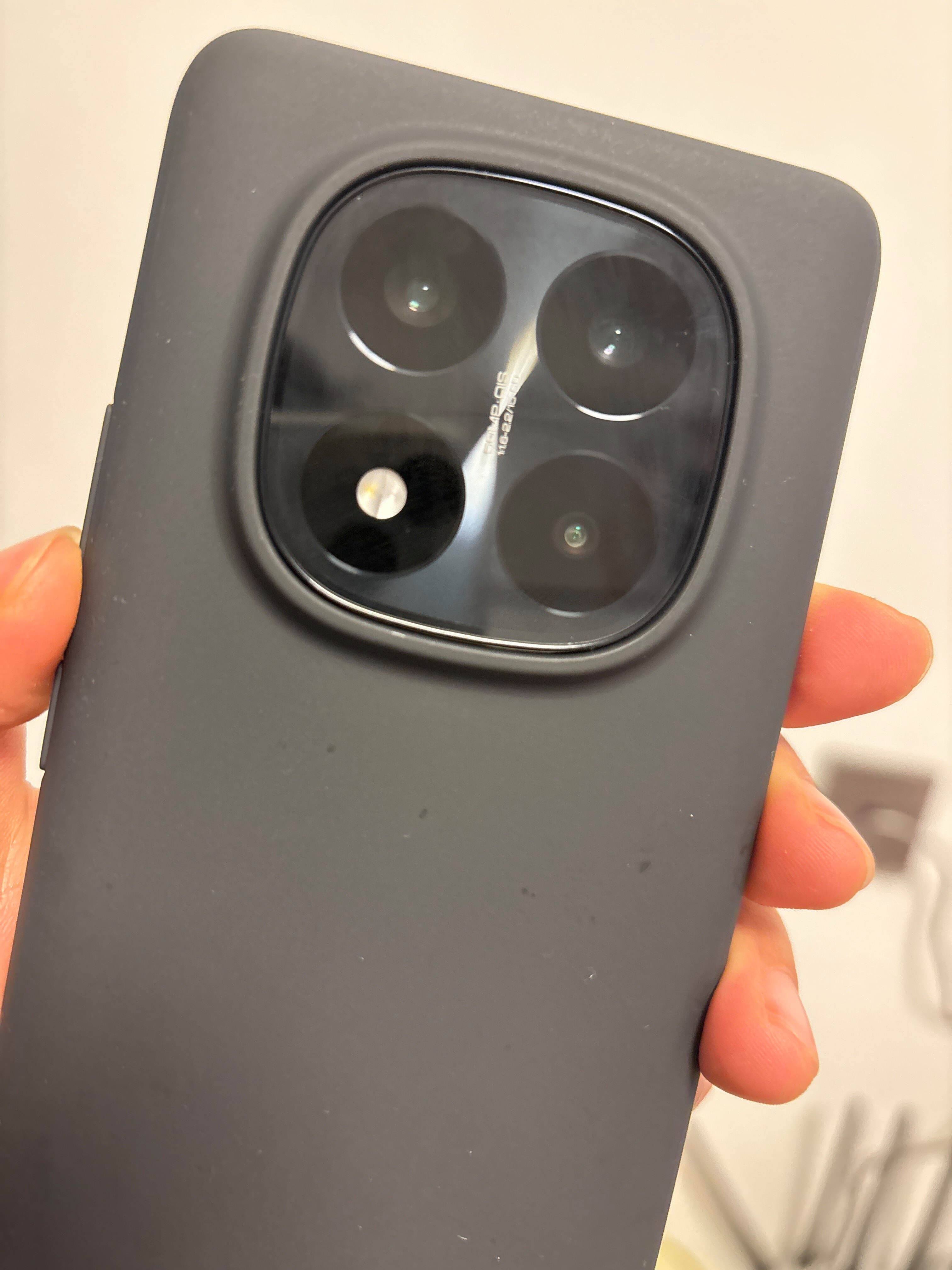
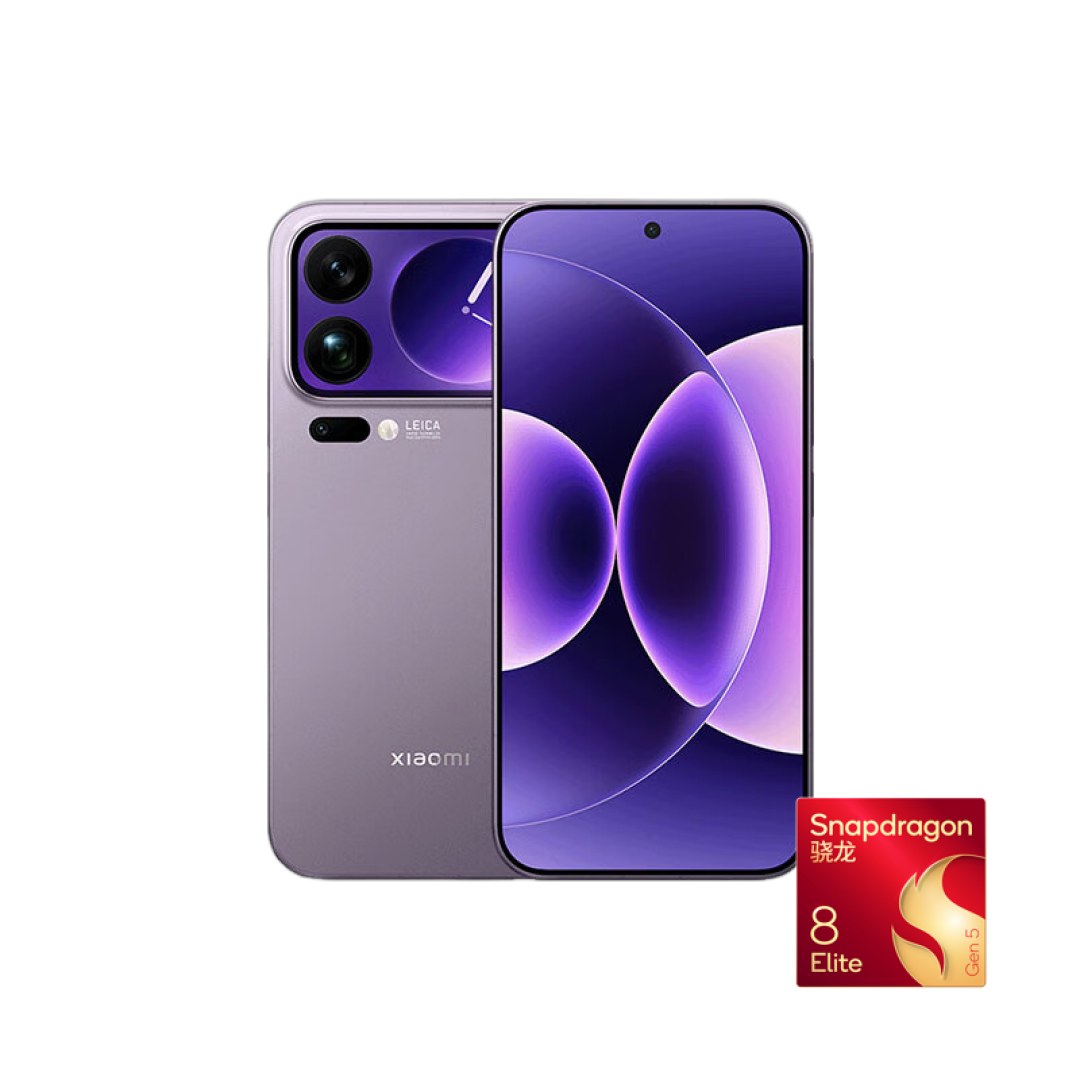
The Xiaomi 17 Pro Max is the 16th-generation Xiaomi numbered flagship: a 6.9-inch flat OLED phone with a 3nm Snapdragon 8 Elite Gen 5, a 200MP main camera, a 7,500mAh battery and a secondary screen on the back. The data spine for this review is the SMZDM price tracker, which on 28 October 2026 showed a lowest JD listing of ¥5,056.65 against a ¥6,999 list price, plus 134 product verdicts and 3,238 community posts on the same SMZDM product page. Verdict: a genuinely strong big-screen endurance flagship that only becomes a great buy at the discounted price — and one honest caveat up front, this exact SKU exposes no public JD positive-rate badge, so the discount, the verdict count and the spec set are what we can actually verify.
The 17 Pro Max is a flat-screen phone in an era that keeps drifting toward curved edges — owners repeatedly single out the display as the reason they bought it.
That missing badge matters more than it sounds. Chinese e-commerce listings live and die by a positive-rate percentage, and shoppers are used to seeing “98% positive” stamped on a phone before they read a single word about it. The 17 Pro Max’s own listing does not show one on SMZDM as of this run. What it does show is a price ladder with sixteen separate JD entries between ¥5,056.65 and ¥7,499, and a very large pile of community writing. So this review is built from those two things rather than from a score we cannot see.
Specifications
| Specification | Xiaomi 17 Pro Max |
|---|---|
| Chip | Snapdragon 8 Elite Gen 5 (3nm) |
| Display | 6.9-inch flat OLED, Dragon Crystal Glass (3rd gen) — refresh rate not stated in the Chinese source data |
| Rear screen | Secondary rear display, 2.9-inch |
| Cameras | 200MP main (1/1.28-inch sensor) + 50MP ultrawide + periscope telephoto (Samsung GN8) |
| Battery | 7,500mAh, 100W wired, 50W wireless |
| OS | HyperOS (HyperOS 3) with full Mi Home smart-home integration |
| Security & extras | Ultrasonic fingerprint reader, X-axis haptic motor, stereo speakers, IR blaster, IP68/IP69 |
| Launch | September 2025 |
| Lowest JD listing (2026-10-28) | ¥5,056.65 (list ¥6,999) |
The sensor sizes, the Samsung GN8 telephoto, the 50W wireless figure and the IP68/IP69 rating come from SMZDM community write-ups rather than a manufacturer spec sheet, so treat them as well-corroborated rather than official.
What Chinese Owners Say
The 6.9-inch screen
The single most consistent note across the 134 verdicts is that people bought this phone for its size, not despite it.
“The Xiaomi 17 Pro Max has a 6.9-inch big screen with third-generation Dragon Crystal Glass… a 200MP main camera paired with a 50MP ultrawide and a periscope telephoto. The hardware spec is maxed out, and it comes with the whole Mi Home ecosystem.” — SMZDM user @小杨聊汽车 (product review)
Takeaway: the display is treated as the product’s identity — a flat, glass-protected slab built for video, games and reading, not a compromise you tolerate for the battery.
A separate contributor framed the trade-off against Apple in almost identical terms, noting the iPhone 18 Pro’s 6.3-inch body is easier in one hand while the Xiaomi’s 6.9 inches gives Android buyers “more room to choose a big screen.” That is the honest version of this comparison: the Xiaomi is not trying to be pocketable, it is trying to be a screen you can live on.
Camera hardware in daily use
The 200MP main sensor plus 50MP ultrawide plus periscope telephoto is the specification Chinese reviewers keep calling “maxed out,” but the more useful signal is what they photograph with it.
“After switching to the 17 Pro Max I never got around to properly studying what its Leica imaging could actually do. Then one weekend morning in the park I spotted lotus flowers, zoomed in from a distance — 20 to 30x — and the clarity was superb.” — SMZDM user @科技沂沂11 (product review)
Takeaway: the periscope is not a spec-sheet ornament. Long-range zoom at 20–30x is being used casually, handheld, by non-photographers — which is exactly the use case a big phone with a stabilized telephoto is for.
7,500mAh endurance
“7,500mAh! The Xiaomi 17 Pro Max is an absolute monster… the innovative rear-screen design is genuinely striking.” — SMZDM user @九月的莫扎特 (product review)
Takeaway: the battery is the emotional hook in Chinese coverage, and the rear screen is the thing people show other people. One verdict called the phone good for “another three years as a daily driver” on the strength of the cell alone.
“6.9-inch big screen, Snapdragon 8 Elite Gen 5, 7,500mAh battery, 100W wired plus 50W wireless, HyperOS 3 — a real advantage on endurance and price.” — SMZDM user @小玉闲谈 (community post)
Takeaway: in the Chinese market the 17 Pro Max is positioned explicitly as the endurance-and-price answer to the iPhone 18 Pro Max and the HUAWEI Mate 80 Pro Max, not as the camera answer — that role belongs to the 17 Ultra.
HyperOS and the Mi Home ecosystem
“If you like huge screens and fast charging, and you have smart-home devices at home, take a closer look at Xiaomi.” — SMZDM user @小杨聊汽车 (product review)
Takeaway: HyperOS’s real selling point in China is not animation smoothness, it is that the phone is a remote control for a house full of Mi Home hardware. If you own none of that, a meaningful slice of the value proposition evaporates — and Chinese reviewers say so plainly rather than pretending ecosystem lock-in is universal.
Where the 30-day testers push back
SMZDM hosts a cluster of long-form follow-ups on this phone — “Xiaomi 17 Pro Max 30-day test report” appears under several different contributors through September 2026, alongside a “one-month test report.” Their existence is the most interesting data point in the whole file, because of what sits next to them: every one of the 134 product verdicts is tagged with a usage duration of “never used.” These are hands-on impressions, analysis pieces and comparison posts, not months of ownership.
That reframes the entire 134-verdict number. It is a real measure of attention, and a weak measure of durability. Anyone quoting “134 reviews” as if it meant 134 people lived with this phone for a year is overselling it. The 30-day series is the closest thing to long-term evidence here, and it is a handful of posts, not a hundred.
“Don’t just look at the spec sheet — decide based on your actual use case.” — SMZDM user @小杨聊汽车 (product review)
Takeaway: the most-quoted piece of advice in this phone’s Chinese coverage is a warning against exactly the kind of purchase this phone invites — buying it because the numbers are big.
The other pushback is price. On 1 September 2026 Xiaomi moved the 17 Pro Max from ¥6,499 to ¥6,999, a ¥500 increase, as part of a wider round of Chinese flagship price rises attributed to component costs. Chinese coverage treated that as a genuine reason to wait rather than a rounding error, and the ¥5,056.65 JD low three weeks later suggests they were right to.
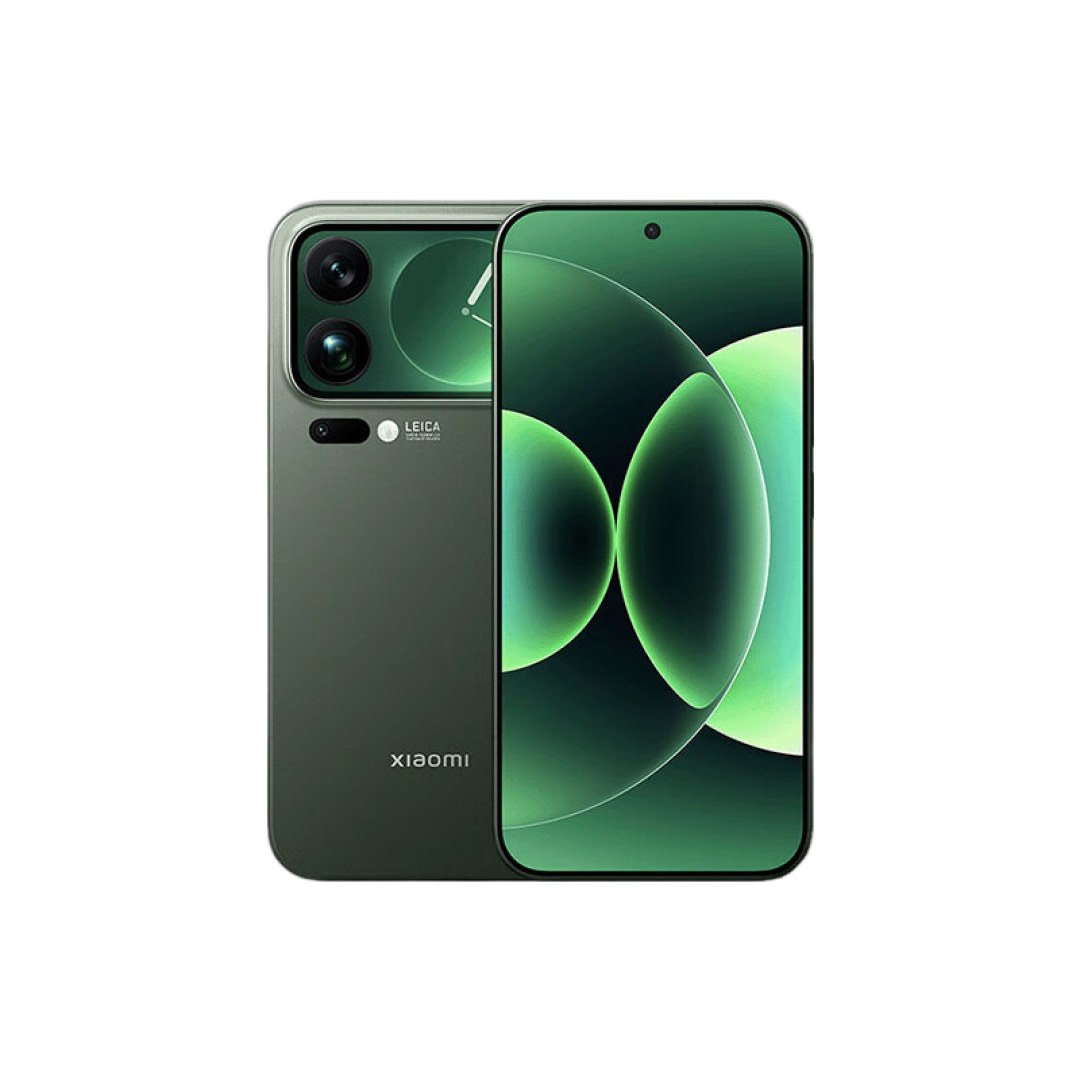 The secondary rear screen is this generation’s signature — useful for framing selfies with the main camera, and a reliable conversation starter.
Pros and Cons
-
6.9-inch flat OLED with third-generation Dragon Crystal Glass — the size is the feature, not an accident.
-
200MP main camera with a 1/1.28-inch sensor, plus a 50MP ultrawide and a periscope telephoto that holds up at 20–30x handheld.
-
7,500mAh battery with 100W wired and 50W wireless — the largest cell in its competitive set on the numbers available.
-
Snapdragon 8 Elite Gen 5 on 3nm — a current-generation flagship chip that handles gaming, editing and multitasking without becoming the limiting factor.
-
Full Mi Home integration through HyperOS — a real advantage if your home is already Xiaomi.
-
A ¥5,056.65 entry price against a ¥6,999 list, with a ¥5,449 Tmall low recorded as recently as 19 October 2026.
-
Ultrasonic fingerprint, X-axis motor, stereo speakers, IR blaster, IP68/IP69: nothing important was left off the sheet.
-
6.9 inches and a 7,500mAh cell mean weight and reach — one-handed use is a two-handed activity for most people.
-
No public JD positive-rate badge on this exact SKU, which removes the single most useful trust signal Chinese buyers normally get.
-
The 134 verdicts are overwhelmingly first-impression posts tagged “never used”; long-term durability evidence is thin.
-
Launch pricing rose ¥500 in September 2026, and the list price is now poor value relative to the discounted street price.
-
HyperOS’s headline feature is ecosystem integration — limited appeal if you own no Mi Home devices.
-
The rear screen is a differentiator with a narrow set of genuinely useful jobs.
How It Compares
| Display | Chip | Camera | Battery | Ecosystem | |
|---|---|---|---|---|---|
| Xiaomi 17 Pro Max | 6.9-inch flat OLED | Snapdragon 8 Elite Gen 5 (3nm) | 200MP + 50MP ultrawide + periscope | 7,500mAh, 100W wired / 50W wireless | HyperOS + Mi Home |
| iPhone 18 Pro | 6.3-inch | A20 Pro (2nm) | 48MP triple, 8x optical | — | Closed Apple ecosystem |
| HUAWEI Mate 80 Pro Max | 6.75-inch, Kunlun Glass 2nd gen | Kirin 9030 Pro | 50MP variable aperture, RYYB | 6,000mAh | HarmonyOS cross-device |
| Samsung Galaxy S26 Ultra | 6.9-inch Dynamic AMOLED (2nd gen) | — | Dual telephoto, S Pen | — | One UI + S Pen |
| Xiaomi 17 Pro (16GB+512GB) | Smaller body | Same generation | — | — | HyperOS, rear screen |
Battery and display figures for the Mate 80 Pro Max reflect Chinese community reporting. Dashes indicate the source file records no figure for that cell; we have not filled them in.
The Mate 80 Pro Max comparison is the one Chinese reviewers spend the most words on, because it is the closest philosophical match: 6.75 inches, a 6,000mAh cell, 100W wired and 80W wireless. Huawei wins on charging speed and on camera flexibility with that variable-aperture RYYB sensor in low light; Xiaomi wins on raw capacity and on price at the discounted end.
The iPhone 18 Pro is not really the same purchase. At 6.3 inches it is a compact phone with the best video pipeline and the strongest resale value in the group — Chinese coverage is blunt that Apple buyers should stay with Apple. The Galaxy S26 Ultra matches the 6.9-inch footprint and adds a pen; if you write on your phone, that ends the argument.
The awkward one is the Xiaomi 17 Pro at ¥4,249.15 for 16GB+512GB, a listing that does carry a 98% positive rate on its JD self-operated deal. That is roughly ¥800 less than the Pro Max’s best price for the same generation of silicon and the same rear-screen idea in a body you can hold with one hand. The Pro Max has to earn that gap on screen and battery alone — and for a lot of people it will not.
Who Should Buy It
Buy the 17 Pro Max if the screen is the point. If you watch video on the train, read on your phone, play games that deserve the real estate, or work outdoors where a 7,500mAh cell is the difference between finishing the day and hunting for a socket, this is a phone built specifically for you — and at ¥5,056.65 rather than ¥6,999 it undercuts the HUAWEI and Samsung flagships while beating both on capacity. Add a house full of Mi Home devices and the value compounds, because HyperOS turns the phone into the remote control for everything else you own.
Who Should Skip It
Skip it if you want one hand free. A 6.9-inch slab with a 7,500mAh battery is a two-handed device, and no amount of screen smoothness fixes reach. Skip it if you own no Xiaomi smart home gear, because you would be paying for an ecosystem you cannot use. Skip it if you need evidence of two-year reliability rather than a launch-week impression — the verdict pile here is wide but shallow. And skip it if you are the kind of buyer who will pay ¥6,999 list out of impatience: the same phone was ¥5,449 on Tmall as recently as 19 October 2026, and paying full list for a phone that discounting this hard is the only genuinely bad decision available here.
Buying Advice
✅ Best Value — ¥5,056.65 on JD, the lowest listing tracked by SMZDM as of 28 October 2026, or the ¥5,449 Tmall deal recorded as a 107-day low on 19 October. Either is roughly 20–28% below list for a current-generation flagship. The 12GB+512GB variant has also appeared at ¥6,109.06 with a national subsidy stacked on a store coupon, which is a worse deal than the JD low but a better one than list.
💰 Premium Pick — The 16GB+1TB configuration at ¥7,199.10, down from a ¥7,499 list. If you shoot 200MP photos and 4K video on a phone you intend to keep for three years, the storage headroom is worth more than the ¥2,100 gap over the entry price suggests — but only if you actually fill it.
⚠️ Budget Warning — Do not pay ¥6,999. That is the post-September-2026 list price, ¥500 above where this phone launched, and it is higher than at least a dozen other tracked JD listings for the same device. Also budget for the honest risk: with no public positive-rate badge on this SKU, buy from a channel with a real return window rather than the cheapest grey-market seller.
FAQ
Is a 6.9-inch phone too big for daily use? For most people, yes — in the sense that it is a two-handed phone and will not fit comfortably in a trouser pocket. Chinese owners who chose it describe the size as the reason they bought it, pairing it with video, gaming and all-day outdoor use. If you have handled a 6.9-inch Samsung Ultra, you know the shape of the compromise already. If your last phone was 6.1 inches, handle one in a shop first.
Does the rear screen actually matter? It is the signature feature of this generation and the thing Chinese reviewers photograph most, and its most defensible job is acting as a viewfinder for selfies shot on the 200MP main camera instead of the front sensor. Treat everything beyond that — widgets, notifications, novelty — as a bonus. It is a reason to prefer this phone over the 17 Ultra, not a reason to buy a phone.
Should I get the 17 Pro instead of the 17 Pro Max? If one-handed use matters, yes. The Xiaomi 17 Pro at ¥4,249.15 for 16GB+512GB is the same generation, keeps the rear screen, and carries a 98% positive rate on its JD self-operated deal — a trust signal the Pro Max’s own listing does not expose. You give up screen area and battery capacity. You save roughly ¥800 and a lot of wrist strain.
Why is there no positive-rate percentage in this review? Because this exact SKU does not publish one on SMZDM. We could have borrowed the 98% figure that appears on the Xiaomi 17 Pro (16GB+512GB) JD listing, and it would have looked fine in a headline — but it would describe a different phone. The verifiable numbers for the 17 Pro Max are the ¥5,056.65 low, the 134 product verdicts and the 3,238 community posts.
Verdict
The Xiaomi 17 Pro Max is a well-executed answer to a question Chinese buyers actually ask: what if the battery were the biggest thing about the phone? A 6.9-inch flat OLED, a 200MP main camera with a real periscope behind it, and a 7,500mAh cell that no direct competitor in this table matches. HyperOS ties it into Mi Home, the rear screen gives it a personality, and the spec sheet has no obvious hole — ultrasonic fingerprint, IP68/IP69, IR blaster, stereo speakers, all present.
What holds it back from a higher score is not the hardware. It is the evidence. The 134 verdicts that make this phone look heavily reviewed are almost all first-impression posts tagged “never used,” the long-term 30-day series is a handful of contributors rather than a body of data, and the exact SKU offers no public positive-rate badge to substitute for either. At ¥5,056.65 that uncertainty is priced in generously. At ¥6,999 it is not priced in at all.
Buy it for the screen and the cell, buy it discounted, and buy it from somewhere with a returns policy. That is a strong recommendation with a specific condition attached, which is the most honest kind this phone’s data supports.
Rating: 8.4/10
Not sure which to choose?
Compare specs side-by-side with our Product Comparator Tool