Xiaomi Mijia Air Purifier 5 Review 2026: 400m³/h Particles, 150m³/h Formaldehyde — What ¥568 Buys and What It Can't Do
The Mijia Air Purifier 5 (AC-M25-SC) pairs a 400m³/h particle CADR with H13 HEPA and UVC sterilization for ¥568.59 on JD after subsidy — but its 150m³/h formaldehyde CADR is a genuine limit. Chinese Academy test data shows 92.3% formaldehyde removal in 1 hour (30m³ chamber), while SMZDM measured just 38% at the outlet, and users report filter odor and insensitive PM2.5 sensing.
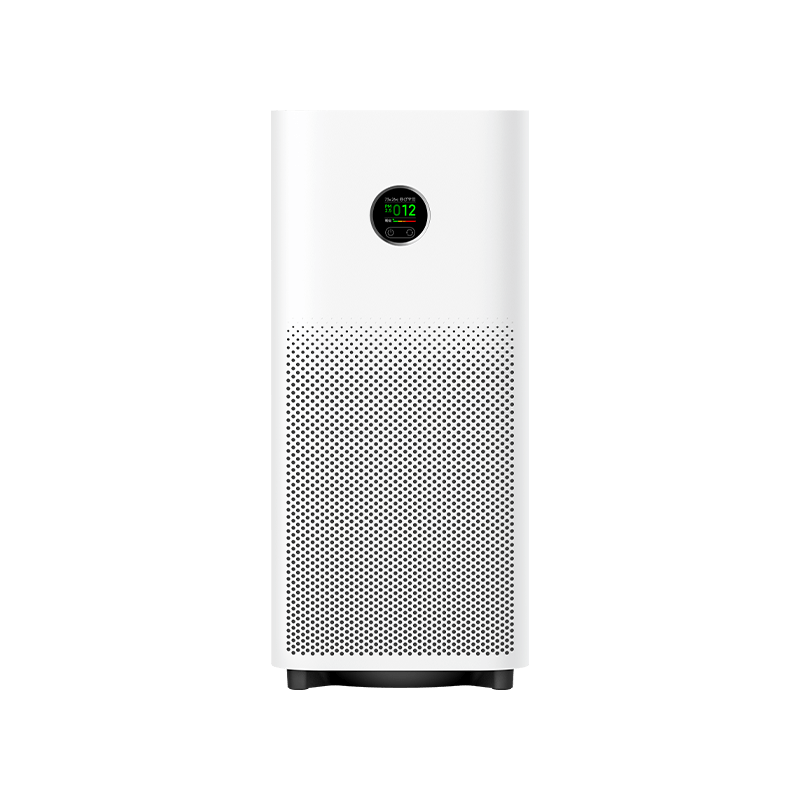
Xiaomi Mijia Air Purifier 5 Review 2026: 400m³/h Particles, 150m³/h Formaldehyde — What ¥568 Buys and What It Can’t Do
The Mijia Air Purifier 5 (AC-M25-SC) is the default first purifier for a reason: ¥568.59 street price after the 15% national subsidy, a 400m³/h particle CADR that clears a bedroom in minutes, H13 HEPA with UVC sterilization, and a Mijia app that automates it into your routines. On JD self-operated it carries a 99% positive rate. But the ¥999-class machine has a hard limit: 150m³/h formaldehyde CADR. China’s appliance research institute measured 92.3% formaldehyde removal in one hour in a 30m³ chamber, yet SMZDM found only 38% at the outlet — and users report filter odor on some batches plus a PM2.5 sensor that reads low when dust is visibly high. Conclusion: ✅ Best Value for allergy/pet households; ⚠️ not for new-home move-ins — step up to the 6 (610m³/h) if formaldehyde is your problem.
Specifications
| Specification | Detail |
|---|---|
| Model | Mijia Air Purifier 5 (AC-M25-SC) |
| Particle CADR | 400m³/h |
| Formaldehyde CADR | 150m³/h |
| Filter | H13 HEPA + coconut-shell activated carbon (1,200m²/g surface area, ~60% more adsorption than standard 800m²/g carbon) |
| Sanitization | UVC real-time sterilization + antibacterial coating (99.99% H1N1, E. coli, S. aureus) |
| PM10 removal | 99.98% |
| Pollen | 98% removal in 1 hour |
| Noise | 30.1dB sleep mode; max fan loud enough to interrupt conversation |
| Filter cost | ¥299 standard (6-12 months, ~¥0.56-0.84/day); S1 ¥100 boosts formaldehyde CADR ~66% |
| Launch price | ¥999-1,099 |
| Street price | JD ¥568.59 (subsidy + coupon + trade-in, 99% positive) |
What Chinese Users Say
On JD self-operated, the Air Purifier 5 holds a 99% positive rate with the ¥568.59 price achieved via the 15% national subsidy, a 9% coupon, a ¥3 trade-in bonus and ¥10 JD-bean cashback (deal 2026-08-01). SMZDM’s ¥999-class test (“Mijia Air Purifier 5 formaldehyde test at ¥999: is it enough?”) is the most balanced source: it confirms strong particle performance, confirms the formaldehyde limit, and names three specific weaknesses. Xiaohongshu owners focus on real-life validation — “air purifiers aren’t entirely a tax on the gullible” (274 likes) captures the shift from skepticism to acceptance for dust and pet scenarios.
Particle & Allergen Performance: The Strong Side
“PM10 removal 99.98%, pollen allergens 98% removed in one hour.” — SMZDM test (2026-07-04)
The 400m³/h particle CADR with H13 HEPA handles the scenarios most people actually buy a purifier for: dust storms, pet dander, cooking smells, and seasonal pollen. The UVC + antibacterial coating adds 99.99% pathogen inactivation — relevant for families with infants, elderly, or pets. Users consistently report “noticeably less odor” and “a clearly fresher feel to the air” in these scenarios.
Formaldehyde: The Honest Limit
“Formaldehyde removal at the outlet measured only 38%.” — SMZDM test measurement (2026-07-04)
This is the number to remember. The 150m³/h formaldehyde CADR is fine for maintaining low levels in a ventilated bedroom, and the Chinese Academy test (92.3% in 1 hour, 98.1% in 2 hours, 30m³ chamber) shows it does work — in a sealed chamber. Real homes with ongoing furniture off-gassing need more. The S1 filter (¥100) boosts formaldehyde CADR ~66%, which is the smart upgrade path if you buy this model.
The Three Complaints
“The outlet has a smell like white latex glue, and the filter turned sour and musty in under a month.” — SMZDM user feedback compilation (2026-07-04)
SMZDM’s test named three recurring weaknesses: (1) filter odor on some batches — a sour/acrid smell within a month, likely batch-specific but concerning; (2) insensitive PM2.5 sensing — “lots of visible dust but PM2.5 reads single digits, so automation never triggers”; (3) loud max fan. The sleep mode (30.1dB) is excellent, but the auto mode’s frequent start-stop on clean air can be annoying.
The Xiaohongshu Validation
“Gotta say, air purifiers aren’t entirely a tax on the gullible after all” (274 likes) / “Two charts to teach you how to pick a Xiaomi purifier” (122 likes) — Xiaohongshu search (Aug 2026)
XHS owners validate the machine for its real strength: dust and allergen control with app automation. The 274-like post walks through how visible improvement (filter darkening, less dust on surfaces) makes the purchase feel justified — the classic “it’s working” moment that marketing can’t fake.
Pros & Cons
Pros:
- 400m³/h particle CADR clears a bedroom in ~20 minutes
- H13 HEPA + coconut carbon + UVC: genuine 99.99% pathogen inactivation
- ¥568.59 street price — the cheapest credible purifier with app automation
- 30.1dB sleep mode works in a nursery
- ¥100 S1 filter lifts formaldehyde CADR ~66% for cheap
Cons:
- 150m³/h formaldehyde CADR — weak for new-home or high-VOC situations
- Filter odor on some batches (sour smell within a month)
- PM2.5 sensor reads low with visible dust — automation triggers unreliably
- Max fan loud enough to interrupt conversation; auto mode start-stops
vs Competitors
| Spec | Mijia Purifier 5 | Mijia Purifier 5S | Mijia Purifier 6 | Mijia Purifier 4 Lite |
|---|---|---|---|---|
| Particle CADR | 400m³/h | ~450m³/h | ~500m³/h | ~350m³/h |
| Formaldehyde CADR | 150m³/h | ~170m³/h | 610m³/h | ~120m³/h |
| Filter price | ¥299 | ~¥299 | ~¥399 | ~¥200 |
| Street price | ¥568.59 | ¥719.02 | ¥1,059 | ¥395-411 |
The 5S is the incremental upgrade (a bit more power, same class). The 6 is the real formaldehyde answer — 610m³/h is 4x the 5’s — and worth the ~¥490 premium for anyone with new furniture. The 4 Lite is the pure budget pick for dust-only needs.
FAQ
Q: Is the Air Purifier 5 good for a new apartment? A: Only if you’ve already ventilated for months. The 150m³/h formaldehyde CADR maintains low levels but can’t clear active off-gassing. For move-in situations, the 6 (610m³/h) or the S1 filter upgrade is the honest answer.
Q: What’s the real cost of ownership? A: Standard filter ¥299 per 6-12 months (~¥0.56-0.84/day). The S1 formaldehyde filter is ¥100 and lifts formaldehyde CADR ~66% — buy it if you’re in the 5’s target use case.
Q: Should I buy third-party filters to save money? A: No. SMZDM’s testing and user reports show ¥50-80 third-party filters can degrade performance or release contaminants. The app tracks genuine filter life; third-party units break that integration.
Q: Does it work with smart home routines? A: Yes, through the Mijia app — but the PM2.5 sensor’s insensitivity means dust-triggered automation may not fire. Time-based schedules work reliably.
Rating: 8.2/10
Who should buy this: Allergy sufferers, pet owners, and families in ventilated older homes; anyone wanting a cheap, app-connected baseline purifier; buyers who will use the ¥100 S1 filter for light formaldehyde duty.
Who should skip: New-home move-ins with active formaldehyde (buy the 6), anyone with very large open-plan spaces (consider the 6 Max), and buyers who need rock-solid automation triggers.
Not sure which to choose?
Compare specs side-by-side with our Product Comparator Tool
Related Reviews
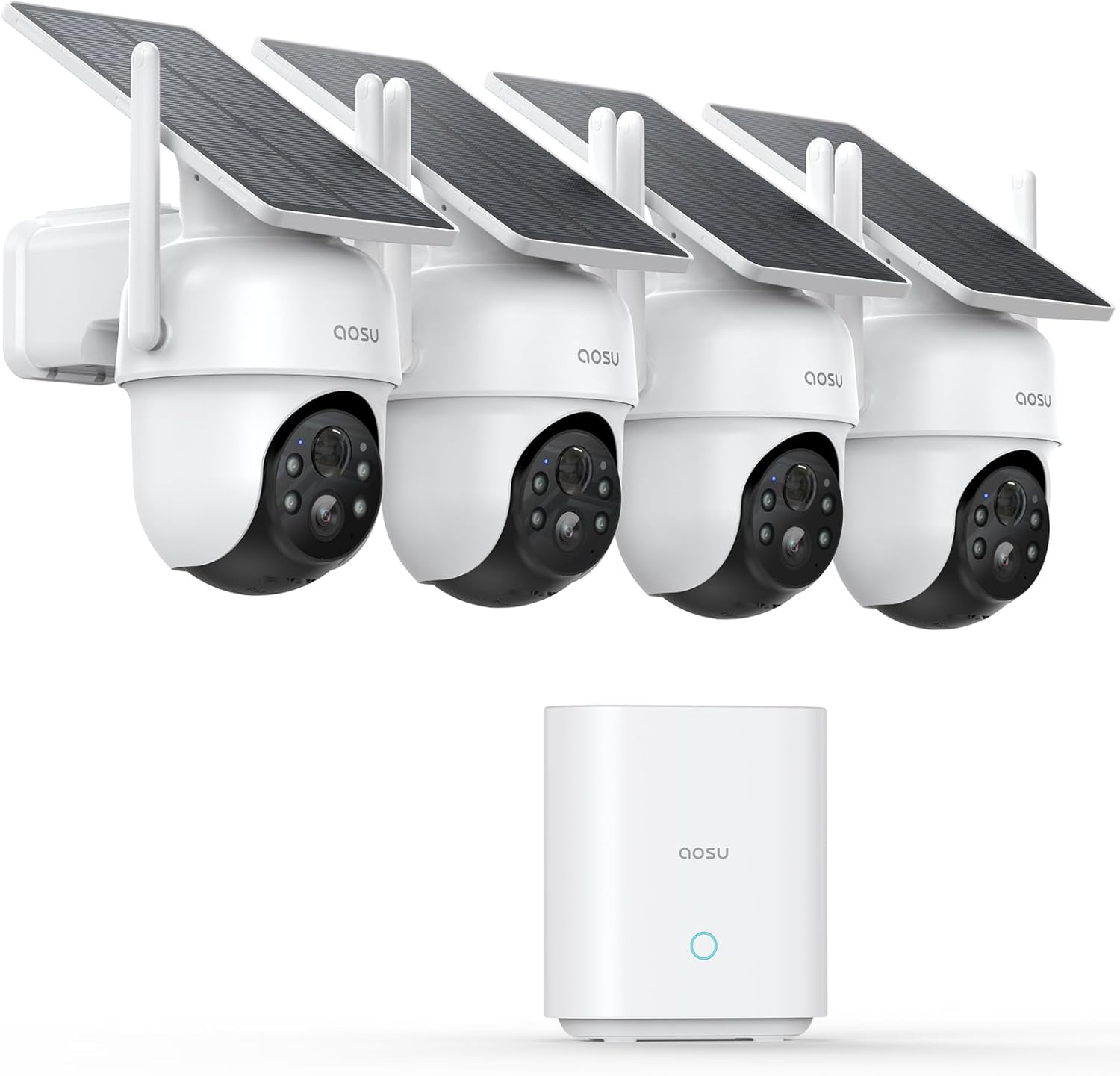
Aqara Camera Hub G5 Pro Review: 2K Security Cam with Smart Hub Built-In
The Aqara Camera Hub G5 Pro combines a 2K security camera with a Zigbee 3.0 hub in one device, offering local AI detecti
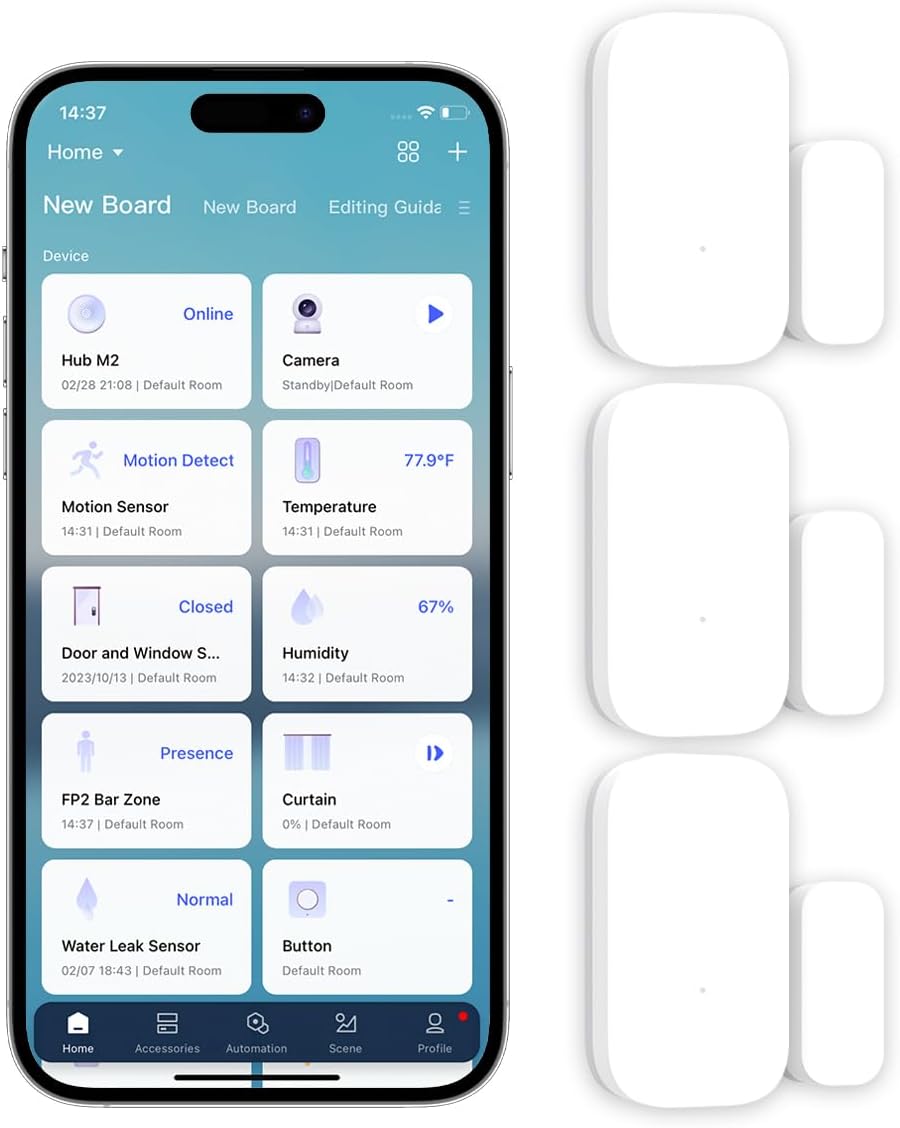
Aqara Door and Window Sensor T1 Review: Know When Things Open and Close
Aqara Door/Window Sensor T1 delivers reliable open/close detection with 2-year battery life at ¥69 — an essential buildi
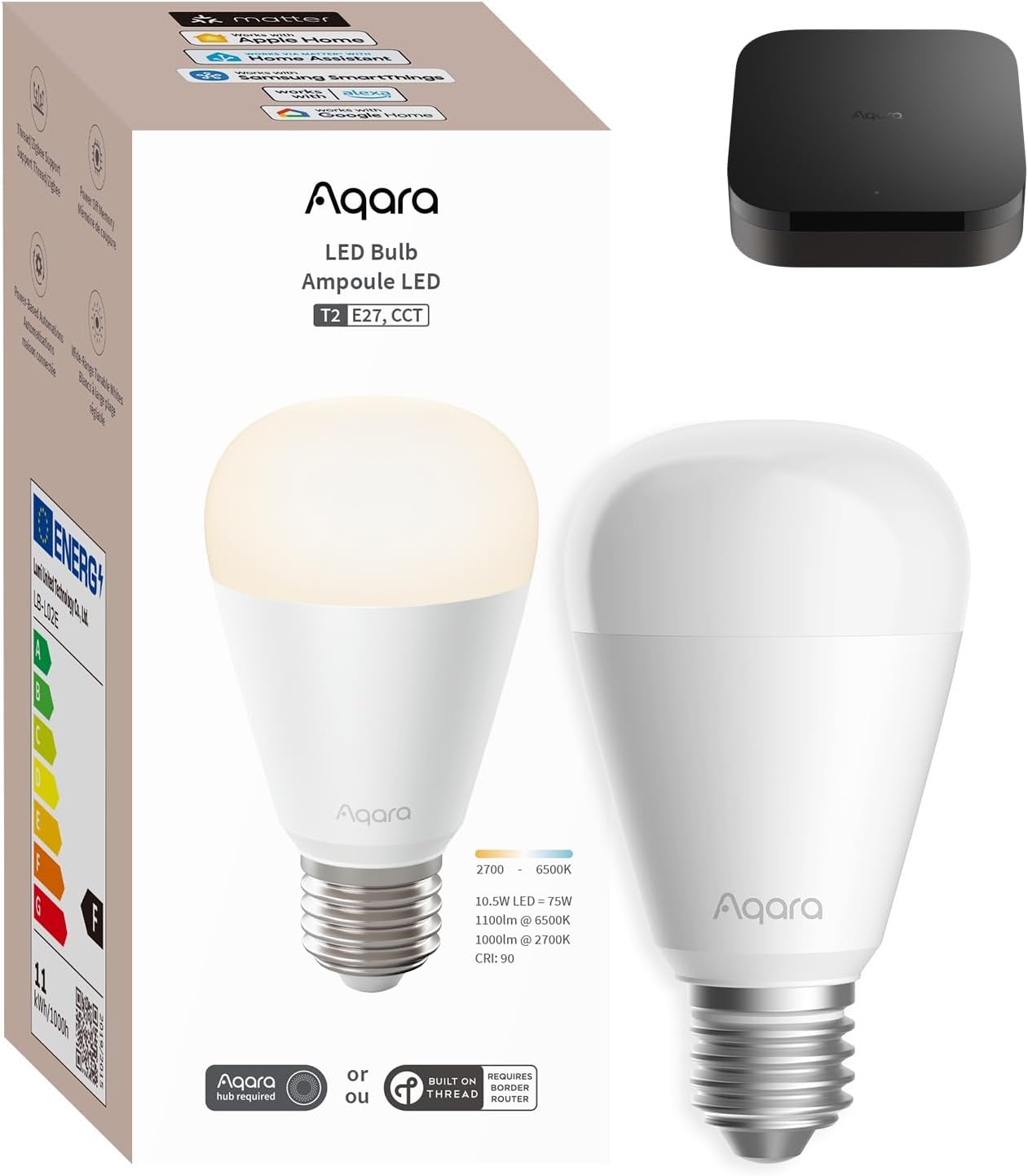
Aqara Hub M3 Matter Controller Review: Multi-Protocol Smart Home Hub With 2,000+ Reviews
Aqara Hub M3 Matter Controller has 2,000+ reviews on JD at 4.4/5, priced at ¥399 ($55). Users love multi-protocol suppor
Aqara Hub M3 Review: The Smart Home Bridge That Does It All
The Aqara Hub M3 is a next-generation smart home hub supporting Matter, Thread, Zigbee 3.0, and Bluetooth, bridging Aqar

Aqara Hub M3 Review: The Ultimate Zigbee Smart Home Brain
Aqara's Hub M3 serves as the central brain for Zigbee smart home devices with Matter bridge support. We review this esse